
Stearic Acid
Stearic Acid (Chemical Formula: C18H36O2) is a saturated fatty acid commonly used in a wide range of industries including cosmetics, food, pharmaceuticals, and manufacturing. It is a key ingredient in the production of soaps, cosmetics, and as an emulsifying agent. Stearic acid is derived from natural sources such as animal fats and vegetable oils, making it an essential and versatile compound in many formulations.
- Versatile Applications
- Effective Emulsifying Agent
- Safe and Natural
- Skin Softening and Moisturizing
- Improved Product Stability
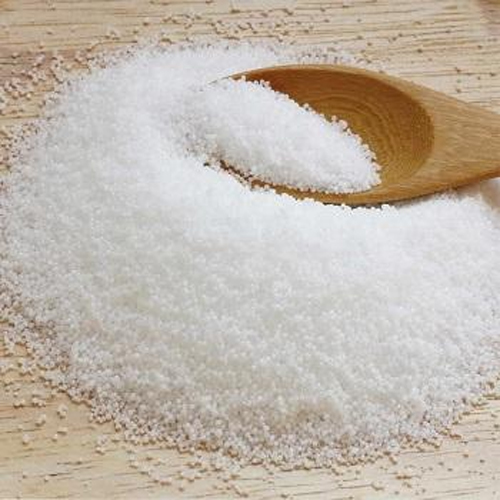
Features Of Stearic Acid
Versatile Applications
Effective Emulsifying Agent
Skin Softening and Moisturizing
Safe and Natural
Improved Product Stability
Why Choose Us
High-Quality Source: We offer premium quality stearic acid, sourced from natural plant and animal fats, ensuring purity and effectiveness in all applications.
Wide Range of Applications: Suitable for use in cosmetics, food, pharmaceuticals, and industrial products, meeting diverse customer needs.
Customization Services: We provide tailored solutions to meet your specific formulation and production requirements.
Reliable Supply: With efficient production capabilities and strong logistics, we ensure on-time delivery and consistent product availability.
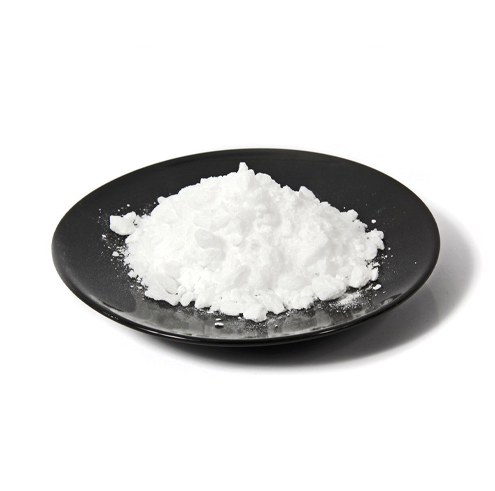
Application Of Stearic Acid
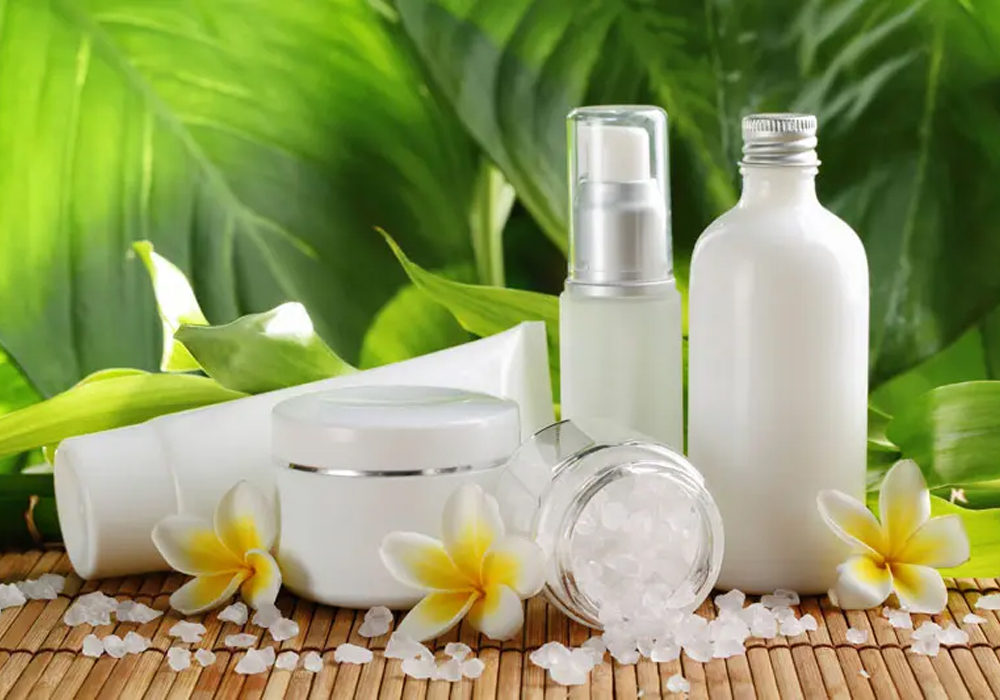
Cosmetics and Personal Care
- Emulsifier and Stabilizer: Stearic acid is used in creams, lotions, and other emulsions to stabilize the product and prevent the separation of oil and water phases.
- Skin Care: It acts as a surfactant and emollient, helping to smooth and soften the skin, making it a common ingredient in moisturizers and cleansers.
- Soap Manufacturing: Used in the production of soaps to enhance texture, lathering properties, and improve the overall quality of the soap.
Food Industry
- Food Additive: Stearic acid is used as a food additive (E570) to improve the texture and consistency of various food products, including confectionery, baking goods, and processed foods.
- Coating Agent: It serves as a coating agent for candies, chocolate, and other food items to improve surface smoothness and prevent sticking.
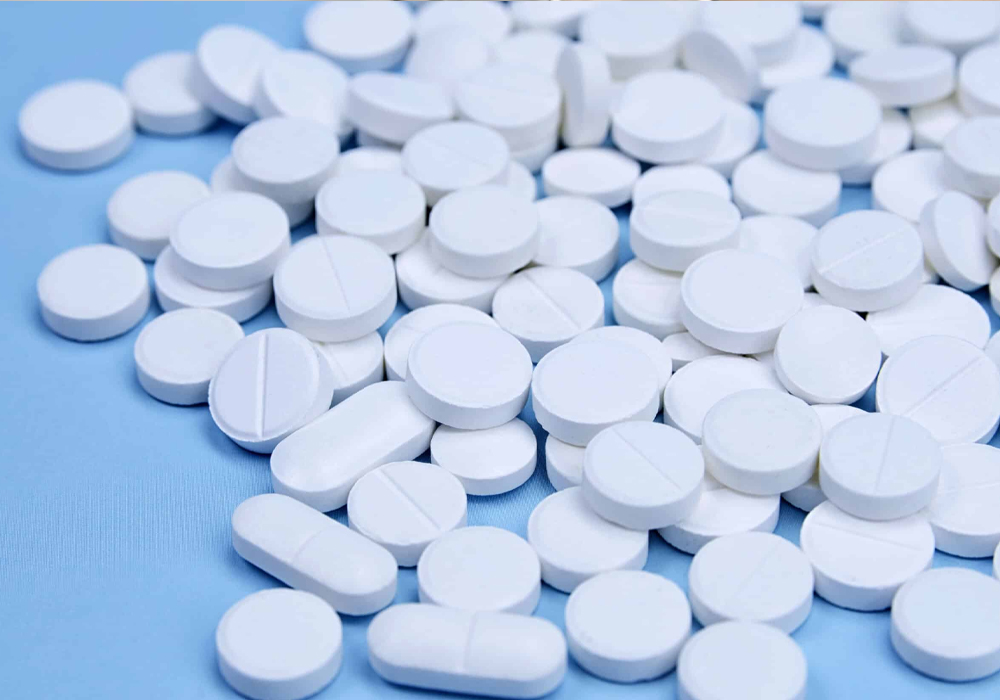
Pharmaceuticals
- Tablet Production: In pharmaceuticals, stearic acid is used as a lubricant in tablet manufacturing to prevent sticking to the mold.
- Drug Delivery Systems: It is also used in controlled-release drug delivery systems, ensuring the uniform release of the active ingredients.
Industrial Applications
- Lubricants and Plasticizers: Stearic acid is used in manufacturing lubricants, coatings, and plasticizers, enhancing the properties of rubber and plastics.
- Metal Industry: It is used as a release agent in the manufacturing of metallic products, helping to prevent sticking during the molding and casting process.


Specification Of Stearic Acid
| CAS Number: | 57-11-4 |
| HS Code: | 29157000 |
| Chemical Formula: | C18H36O2 |
| Appearance: | White, waxy solid |
| Purity: | ≥98% |
| Melting Point: | 69-70°C |
| Solubility: | Insoluble in water; soluble in organic solvents like ethanol, ether, and chloroform |
| Storage Conditions: | Store in a cool, dry place, away from heat and direct sunlight. |
Contacts
Location name
No.1 Xinyuan Road, Jiangyin City, Jiangsu Province, China
Phone
+86 13656166310
Support
jessezhang0724@gmail.com
* Aliquet adipiscing vivamus ultrices ipsum, commodo.
Procurement Information for Stearic Acid
Use this page to prepare an RFQ and bench trial. Final suitability depends on the supplied grade, your complete formula, process, packaging and destination-market requirements.
INCI
Stearic Acid
Function
Surfactant, cleansing ingredient, consistency agent and emulsion structurant.
Suitable formulations
Creams, lotions, cleansing creams, shaving products, bar soaps, sticks and makeup.
Use recommendation
Add to the heated oil phase and process above the confirmed melting range for the supplied grade. Neutralization, cooling profile and the rest of the emulsifier system can change viscosity and texture; validate them in pilot and stability batches.
Packaging and MOQ
Pack format and minimum order quantity depend on grade, order quantity and destination. Ask for the current packing list and quotation; no fixed pack or MOQ is assumed on this page.
Documents and sample
Request the current TDS, specification, SDS, sample availability and a lot-specific CoA before approval. State the intended application, market, trial quantity and annual forecast in your request.
Identity and regulatory references
- European Commission CosIng database — verify the INCI name and reported cosmetic functions.
- Cosmetic Ingredient Review ingredient resources — review the relevant safety assessment where available.
- CosIng and ingredient assessments are reference tools, not approval of a finished formula. Confirm current local rules and conduct the required safety and stability assessment.
 English
  Spanish
  Russian
  French
  Arabic
  Persian