
When we purchase organic foods, we’re often seeking products with fewer harmful chemicals than their conventional counterparts. While organic certification substantially reduces pesticide exposure, the reality is more nuanced than the common perception that organic means completely pesticide-free—understanding this distinction helps consumers make more informed choices about their food purchases.
Key Takeaways
- Organic foods contain 81% fewer pesticide residues than conventional foods but are not entirely pesticide-free
- USDA organic certification allows certain natural pesticides while prohibiting most synthetic chemicals
- The term “pesticide-free” is largely unregulated marketing language without standardized certification
- “Certified Organic” products can legally contain up to 5% non-organic ingredients in processed foods
- Prioritizing organic purchases based on the Dirty Dozen and Clean Fifteen lists can help maximize health benefits within budget constraints
The Truth About Organic Foods and Pesticides
If you’ve ever reached for organic produce assuming it’s completely free of pesticides, you’re not alone. The widespread misconception that organic means pesticide-free has led many consumers to pay premium prices for organic foods with certain expectations. However, the reality of organic farming and certification is more complex than marketing often suggests.
Organic certification does significantly reduce pesticide exposure—studies show organic foods contain approximately 81% fewer pesticide residues than conventional alternatives. This reduction is substantial and meaningful for health-conscious consumers, but it doesn’t equate to a complete absence of pesticides.
The distinction matters because consumers deserve to know exactly what they’re paying for. When you understand what organic certification actually guarantees, you can make more informed decisions about when organic purchases align with your health priorities and when conventional options might be acceptable.
Understanding Organic vs. Pesticide-Free: Definitions That Matter
The term “organic” has a specific regulatory definition governed by the USDA and similar organizations worldwide. Organic certification indicates that foods were produced using methods that foster cycling of resources, promote ecological balance, and conserve biodiversity—without most synthetic fertilizers and pesticides, sewage sludge, irradiation, or genetic engineering.
In contrast, “pesticide-free” is largely an unregulated marketing term without standardized certification or verification processes. Companies can use this language with minimal oversight, creating potential for misleading claims about their products.
Organic farming permits the use of certain naturally derived pesticides while prohibiting most synthetic ones. These natural pesticides include substances like pyrethrins (derived from chrysanthemum flowers), copper sulfate, neem oil, and various biological controls. The permission to use these substances creates a significant gap between consumer perception and agricultural reality.
Many shoppers assume organic means no pesticides whatsoever, but organic certification actually focuses on the type of pesticides used rather than their complete elimination. This misalignment between expectations and reality can lead to disappointment when consumers learn about permitted substances in organic production.
USDA Organic Certification Explained
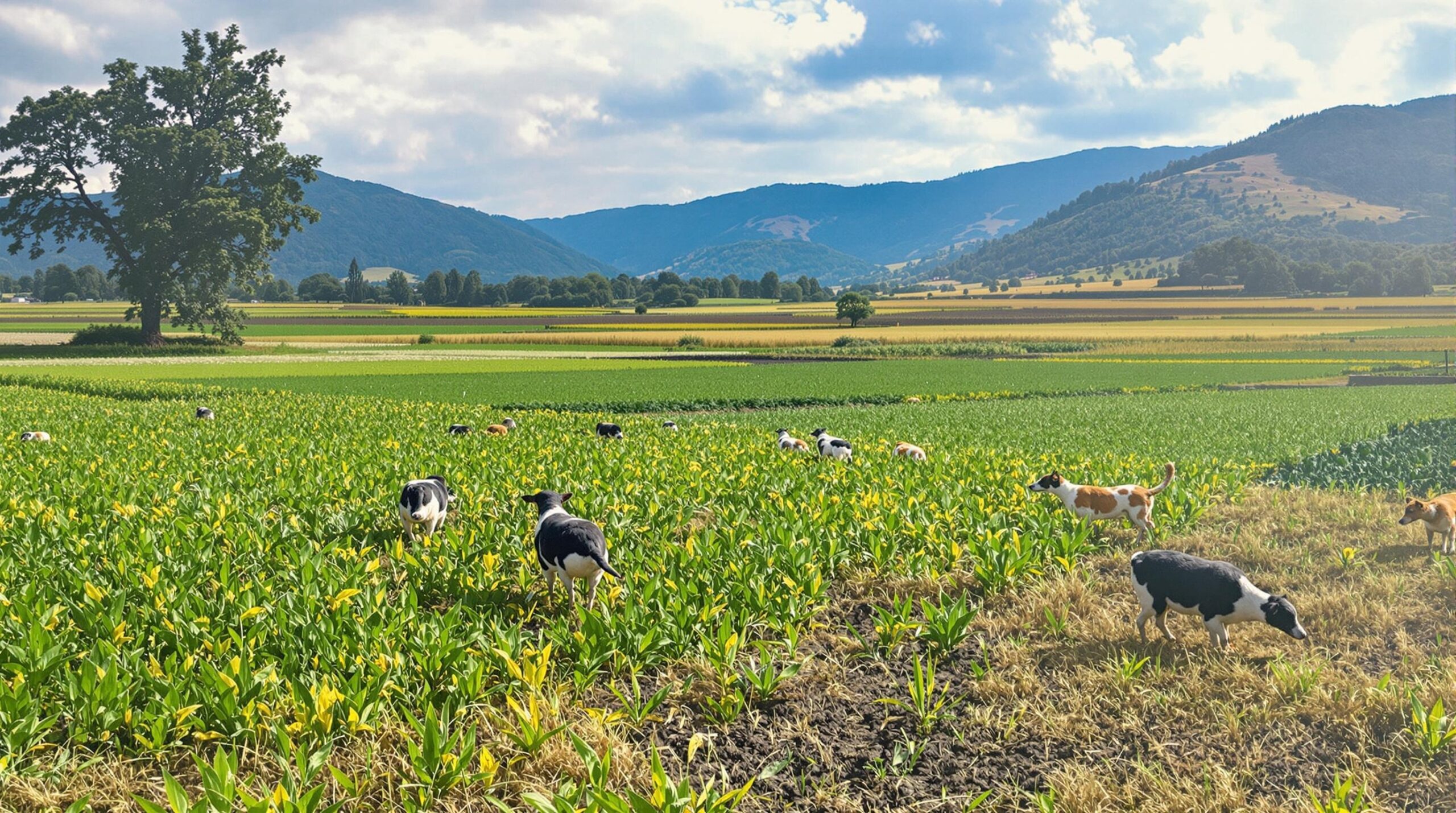
USDA organic certification involves a rigorous multi-step process that farmers and food producers must follow. It begins with a three-year transition period during which land must be managed according to organic practices without prohibited substances. During this time, farmers can’t market their products as organic, despite following organic methods.
There are different organic labels with varying requirements:
- “100% Organic” – Products made entirely with certified organic ingredients
- “USDA Certified Organic” – Products containing at least 95% organic ingredients
- “Made with Organic Ingredients” – Products with at least 70% certified organic content
The 95% threshold for “USDA Certified Organic” means processed foods can contain up to 5% non-organic ingredients, provided those ingredients aren’t commercially available in organic form and appear on the National List of Allowed and Prohibited Substances. This allowance surprises many consumers who expect organic products to be 100% organic.
International variations in organic standards add another layer of complexity. The European Union, Japan, Canada, and other regions have their own certification requirements and allowed substances, though many countries have equivalency agreements to facilitate trade. These variations mean that “organic” can signify slightly different practices depending on where food is produced and certified.
Natural vs. Synthetic Pesticides in Food Production
Organic farming permits several naturally derived pest control substances that many consumers might not expect. Common examples include pyrethrins (insecticides derived from chrysanthemum flowers), copper sulfate (a fungicide), spinosad (derived from soil bacteria), and various plant oils and extracts. These substances undergo less processing than synthetic alternatives but aren’t necessarily less toxic by default.
The toxicity and environmental impact of natural pesticides vary widely. Some, like copper-based fungicides, can accumulate in soil over time and harm beneficial organisms. Others, like neem oil, have relatively low toxicity to mammals but can affect beneficial insects. The natural origin of a pesticide doesn’t automatically make it safer than synthetic options—the specific properties of each substance matter more than its source.
Regulatory limitations do exist for natural pesticide use in organic farming. The National Organic Program establishes maximum application rates and restricts usage patterns. Farmers must document attempts to use cultural and biological controls before applying approved natural pesticides, creating a “last resort” approach to their use.
From a scientific perspective, the safety profile of natural pesticides depends on the specific substance, application method, and exposure level. Some natural pesticides have been used for centuries with good safety records, while others require careful handling similar to their synthetic counterparts. The key difference is that natural pesticides typically break down more quickly in the environment and leave fewer persistent residues than many synthetic alternatives.
Pesticide Residue Comparison: What Science Reveals
Research consistently shows that organic produce contains significantly fewer pesticide residues than conventional alternatives. A comprehensive analysis found that organic foods had residue detection frequencies 30% lower than conventional foods, and when residues were detected, they were present at much lower concentrations.
The most commonly found residues in conventional produce include organophosphates, pyrethroids, and neonicotinoids—all synthetic pesticides prohibited in organic production. When residues appear on organic produce, they’re typically either permitted natural pesticides or low-level environmental contaminants from neighboring conventional farms through drift or water movement.
Switching to an organic diet can reduce pesticide exposure remarkably quickly. Research has demonstrated that people who transition from conventional to organic diets show measurable decreases in urinary pesticide metabolites within just one week. This rapid change suggests that pesticide residues don’t accumulate long-term in the body when exposure stops.
The long-term implications of low-level pesticide exposure remain an active area of research. Some studies suggest associations between conventional pesticide exposure and health concerns including hormone disruption, neurodevelopmental issues in children, and certain cancers. However, establishing direct causation is challenging given the many variables involved in human health outcomes and the ethical limitations of conducting controlled exposure studies.
Organic Farming Practices That Reduce Pesticide Dependency
Crop rotation stands as a foundational practice in organic farming that naturally disrupts pest lifecycles. By changing which crops grow in a field from season to season, farmers prevent pest populations from becoming established. Rotating between plant families like legumes, grasses, and brassicas creates environments where specific pests can’t reliably find host plants year after year.
Biological pest control leverages natural predator-prey relationships to manage unwanted insects. Organic farmers release beneficial insects like ladybugs, parasitic wasps, and predatory mites to control pest populations naturally. These living controls target specific pests while typically sparing beneficial organisms, creating more balanced ecosystems than broad-spectrum pesticides allow.
Soil health management serves as preventative pest control by fostering resilient plants. Organic methods like composting, cover cropping, and minimal tillage build rich, biologically active soil that supports plants’ natural defense mechanisms. Well-nourished plants growing in balanced soil typically resist pests and diseases more effectively than those in depleted conditions.
The prohibition of GMOs in organic agriculture connects to pesticide use in complex ways. Many genetically modified crops are designed for use with specific herbicides (like “Roundup Ready” varieties), potentially increasing chemical dependency. By avoiding these systems, organic farming maintains focus on ecological approaches to weed management rather than herbicide-resistant crop varieties.
Environmental Benefits of Organic Farming Methods
The reduction in chemical runoff represents one of organic farming’s most significant environmental advantages. Conventional agriculture can lead to pesticide and fertilizer contamination of waterways, harming aquatic ecosystems and potentially affecting drinking water. Organic methods minimize these risks by relying on natural inputs that typically break down more readily and create fewer persistent pollutants.
Organic farming practices positively impact biodiversity and pollinator populations. Research shows organic farms support 30% more species diversity and 50% more abundance of beneficial insects and pollinators compared to conventional systems. This biodiversity advantage stems from reduced chemical exposure and more varied habitat provided by cover crops, hedgerows, and diverse planting schemes.
Soil conservation improvements result from organic management techniques that build rather than deplete soil resources. Practices like cover cropping, composting, and reduced tillage increase soil organic carbon, improve water retention, and enhance microbial communities. These improvements create more resilient agricultural systems less susceptible to erosion and drought.
Climate change considerations favor organic methods in several ways. Organic farms typically use less fossil fuel energy per unit of food produced and sequester more carbon in soil organic matter. By avoiding synthetic nitrogen fertilizers (which require substantial energy to manufacture and release nitrous oxide, a potent greenhouse gas), organic systems often have smaller carbon footprints than conventional alternatives, though yields can sometimes be lower.
Health Implications of Choosing Organic Foods
Reduced pesticide exposure represents the most consistent health benefit associated with organic food consumption. Multiple biomonitoring studies show that people who eat predominantly organic diets have significantly lower levels of pesticide metabolites in their urine compared to those consuming conventional diets. This reduction may be particularly important for susceptible populations.
Children and pregnant women appear to gain particular benefits from organic choices. Developing bodies process toxins differently than adult bodies, and early exposure to certain pesticides has been linked to neurodevelopmental effects. Research from the American Academy of Pediatrics notes that children have “unique susceptibilities to pesticide residues” and may benefit from exposure reduction when possible.
The nutritional differences between organic and conventional foods remain a topic of ongoing research. Some meta-analyses have found modestly higher levels of certain antioxidants and omega-3 fatty acids in organic produce and dairy, while others show minimal differences. The most consistent finding is that organic animal products contain higher beneficial fatty acid profiles due to different feeding practices.
Protection for farmworkers and agricultural communities represents an often-overlooked health benefit of organic production. Conventional farm workers face regular exposure to agricultural chemicals, often at much higher levels than consumers encounter through residues. Organic farming reduces these occupational exposures and can decrease health risks in farming communities, including respiratory issues, skin conditions, and certain cancers associated with pesticide exposure.
The Economics of Organic Production: Why the Price Difference?
Several factors contribute to the higher costs of organic foods. Organic farming typically requires more manual labor for weed control and pest management activities that conventional farms address with chemicals. This increased labor intensity drives up production costs, particularly in regions with higher wage requirements.
The labor intensity of organic farming methods creates significant cost differences. Without synthetic herbicides, organic farmers rely on mechanical cultivation, hand weeding, and other physically demanding processes to manage weeds. Similarly, pest monitoring and biological controls require more regular field observation and management than scheduled chemical applications.
Certification costs impact pricing, particularly for smaller producers. Farmers must pay for annual inspections, documentation requirements, and certification fees that can range from hundreds to thousands of dollars depending on operation size. These regulatory compliance expenses get passed along to consumers in the final product price.
Economies of scale present challenges for the organic sector. Conventional agriculture benefits from decades of infrastructure development, research, and supply chain optimization. In contrast, organic producers often lack the same level of specialized equipment, processing facilities, and distribution networks. These infrastructure gaps create inefficiencies that increase costs throughout the organic supply chain.
Accessibility and Social Justice in Organic Food Systems
Economic barriers to organic food consumption remain significant. The price premium for organic products—typically 20-100% higher than conventional alternatives—puts them out of reach for many households, particularly those with limited food budgets. This creates a situation where access to foods with fewer pesticides becomes an economic privilege rather than a universal option.
Geographic and cultural access considerations compound economic challenges. Many communities, particularly in low-income urban areas and rural regions, face “food deserts” where fresh produce of any kind is limited, let alone organic options. Cultural familiarity with available organic foods also influences accessibility, as does knowledge about preparation methods and perceived value.
The organic food movement confronts several equity issues. Critics note that the movement has historically focused more on environmental concerns and personal health than on social justice dimensions of food production, including farmworker rights, land access for minority farmers, and affordable food for all communities. These social aspects receive increasing attention but remain underdeveloped compared to ecological components.
Community solutions offer promising approaches to increase organic food accessibility. Programs like subsidized CSA (Community Supported Agriculture) shares, matching benefits for SNAP recipients at farmers’ markets, and community gardens in urban areas help bridge the gap between organic ideals and economic realities. These initiatives recognize that sustainable food systems must be both environmentally and socially sustainable to succeed long-term.
Strategic Shopping: Maximizing Benefits Within Budget Constraints
Prioritizing organic purchases based on pesticide risk levels represents a practical approach for budget-conscious shoppers. The Environmental Working Group’s annually updated “Dirty Dozen” list identifies conventional fruits and vegetables with the highest pesticide residues, while their “Clean Fifteen” highlights those with minimal contamination. Focusing organic dollars on high-risk items maximizes health benefits per dollar spent.
Organic choices matter most for certain health concerns. For those with specific sensitivities, children, pregnant women, and people with compromised immune systems, prioritizing organic for frequently consumed foods makes sense. Additionally, animal products like dairy, eggs, and meat often show greater differences between organic and conventional production regarding hormones, antibiotics, and beneficial nutrient profiles.
Seasonal shopping strategies can substantially reduce costs for organic foods. Purchasing produce during peak local growing seasons when supply is abundant typically results in lower prices and fresher products. Freezing or preserving seasonal organic bounty extends these savings throughout the year.
Alternative options beyond the organic/conventional binary deserve consideration. Foods grown using integrated pest management (IPM), regenerative agriculture, or local small-scale farming may use fewer chemicals than conventional agriculture without full organic certification. Direct relationships with local farmers allow consumers to ask specific questions about growing practices and make informed choices beyond certification labels.
Future Trends in Organic Farming and Pesticide Reduction
Innovations in natural pest control methods continue advancing organic agriculture. Researchers are developing more targeted biological control agents, plant-based repellents, and farming systems that inherently minimize pest pressure. These approaches promise to further reduce the need for even natural pesticides in organic production.
Policy developments affecting organic standards evolve continuously. Current trends include increased scrutiny of materials permitted in organic production, improved enforcement mechanisms, and exploration of tiered certification systems that recognize different levels of sustainability beyond the basic organic threshold.
Consumer-driven changes reshape the food industry beyond organic certification. Market demand for increased transparency, reduced pesticide use, and improved sustainability practices has influenced even conventional production. Many major food companies now offer reduced-pesticide options that, while not certified organic, incorporate some organic principles in response to shifting consumer preferences.
Technological advances support sustainable agriculture through precision farming techniques, improved monitoring systems, and data-driven decision tools. These innovations allow farmers to target interventions more precisely, potentially reducing overall pesticide use in both organic and conventional systems. From drone-based pest detection to advanced cover crop management, technology increasingly enables more sustainable farming with less reliance on chemical inputs.
Common Misconceptions About Organic Foods
Several persistent myths about taste, nutrition, and appearance require addressing. While some organic products may taste different from conventional counterparts due to variety selection or growing methods, organic certification itself doesn’t guarantee superior flavor. Similarly, nutritional differences between organic and conventional foods tend to be modest and variable, not the dramatic distinctions sometimes claimed in marketing materials.
Organic livestock standards are frequently misunderstood. Certified organic meat, dairy, and eggs must come from animals given access to the outdoors and organic feed, without routine antibiotics or growth hormones. However, the specific requirements for “access to pasture” vary by species and don’t necessarily mean animals spend most of their time outdoors or have idyllic living conditions.
The limitations of organic certification deserve recognition. Certification focuses primarily on allowed inputs rather than outcomes like nutritional quality, worker conditions, or comprehensive environmental impacts. A farm can be technically compliant with organic standards while still engaging in practices that cause soil erosion, water depletion, or habitat destruction.
Marketing claims often extend beyond regulatory guarantees, creating confusion. Terms like “natural,” “eco-friendly,” and “chemical-free” frequently appear alongside organic claims but have no standardized definitions or verification systems. Even within certified organic products, qualifying language on packaging may suggest benefits beyond what research supports or regulations require.
Making Informed Food Choices: Beyond the Organic Label
Learning to read and interpret food labels effectively empowers better decision-making. Beyond looking for the USDA Organic seal, understanding the percentage of organic ingredients and identifying which ingredients are non-organic in the ingredient list provides more complete information. Scrutinizing front-of-package claims against detailed information on the back often reveals marketing embellishments.
When shopping at farmers markets and from local producers, specific questions yield valuable insights. Asking about pest management approaches, fertilization methods, and certification status helps clarify actual practices beyond broadly used terms like “natural” or “no spray.” Many small-scale farmers use organic methods but haven’t obtained certification due to cost constraints.
Several complementary food certification programs warrant consideration alongside organic labels. Options like Certified Naturally Grown (similar standards to organic but with lower certification costs), Regenerative Organic Certified (organic plus additional soil health and social welfare criteria), and Fair Trade certification (focusing on worker conditions and fair compensation) address different aspects of sustainable food production.
Balancing health, environmental, and economic factors requires personalized approaches. For most consumers, a mixed strategy works best: choosing organic for high-risk items, supporting local sustainable agriculture when possible, and making practical compromises where necessary. This balanced approach recognizes that perfect consumption choices aren’t possible or necessary, while still meaningfully reducing exposure to concerning substances.
Global Perspectives on Organic Standards and Practices
Comparing U.S. organic standards with international frameworks reveals important differences. The European Union generally maintains stricter requirements in several areas, including lower thresholds for GMO contamination, more stringent animal welfare provisions, and fewer approved substances. Meanwhile, Japan’s JAS organic standards and Canada’s organic regulations each have unique provisions reflecting cultural and agricultural differences.
Cross-border issues in organic food trade create ongoing challenges. Different permitted substances between certification systems mean that some products certified organic in one country may not qualify in another without adjustments. Equivalency agreements between major markets help address these barriers, but smaller countries and emerging organic producers often struggle with multiple certification requirements to access international markets.
Developing countries face distinct organic certification challenges. The costs of third-party certification, documentation requirements, and transitional periods without premium prices can be prohibitively expensive for small-scale farmers in lower-income regions. Participatory Guarantee Systems (PGS) have emerged as one alternative, using peer review and local verification to ensure organic practices without the full expense of international certification.
Harmonization efforts in international organic regulation continue evolving. Organizations like the International Federation of Organic Agriculture Movements (IFOAM) work toward greater consistency in standards while respecting regional agricultural differences. These efforts aim to simplify compliance for producers while maintaining the integrity and consumer trust in organic certification regardless of origin.
Frequently Asked Questions
Are organic foods completely free of pesticides?
No, organic foods are not completely pesticide-free. Organic farming permits the use of certain naturally derived pesticides approved for organic production. However, organic foods typically contain about 81% fewer pesticide residues than conventional foods and prohibit most synthetic pesticides.
What’s the difference between “natural” and “organic” on food labels?
“Organic” is a regulated certification with specific standards enforced by government agencies like the USDA. “Natural” has no standardized definition or certification process for most foods and doesn’t guarantee anything about production methods or pesticide use.
Why are organic foods more expensive?
Organic foods typically cost more due to several factors: increased labor requirements for weed and pest control, certification costs, smaller scale of production, lower yields in some cases, and limited processing facilities and distribution networks compared to conventional agriculture.
Which foods are most important to buy organic?
If budget is a concern, prioritize organic purchases for the “Dirty Dozen” foods with highest pesticide residues (including strawberries, spinach, kale, and apples) and conventional for the “Clean Fifteen” (like avocados, sweet corn, pineapple, and onions) which have minimal residues even when grown conventionally.
Can organic farmers use any pesticides they want as long as they’re natural?
No, organic farmers can only use substances specifically approved and listed in organic regulations. These approved materials must undergo review for human health, environmental impact, and necessity. Even approved natural pesticides have restrictions on application methods, frequency, and amounts used.
 Spanish
  English
  Russian
  French
  Arabic
  Persian