
Fragrances in skincare products are one of the most common irritants for people with sensitive skin, with studies showing up to 40% of dermatology patients reporting fragrance sensitivities. While synthetic fragrances are typically more problematic due to their complex chemical makeup, even natural fragrances derived from essential oils can trigger reactions in those with sensitive or reactive skin conditions.
Key Takeaways
- Synthetic fragrances are among the leading causes of allergic contact dermatitis in skincare products
- Both artificial and natural fragrances can potentially irritate sensitive skin
- Products labeled “unscented” may still contain masking fragrances that can cause reactions
- Look for products specifically labeled “fragrance-free” for truly fragrance-less formulations
- Patch testing is the most reliable method to determine your individual reaction to fragranced products
Understanding Fragrance in Skincare Products
When examining skincare ingredients, fragrance compounds deserve special attention, particularly for those with sensitive skin. Fragrance isn’t a single ingredient but rather a complex mixture that may contain dozens or even hundreds of different chemicals. These ingredients are added to products primarily to create pleasant scents that enhance the user experience.
The term “fragrance” or “parfum” on an ingredient list can actually represent a proprietary blend of numerous components. Due to trade secret protections in the cosmetics industry, manufacturers aren’t required to disclose the specific chemicals that make up their fragrance formulations. This lack of transparency makes it challenging for consumers with sensitivities to identify potential triggers.
There are two main categories of fragrances used in skincare:
- Synthetic fragrances (created in laboratories)
- Natural fragrances (derived from plant sources like essential oils)
Contrary to popular belief, natural doesn’t automatically mean safer for sensitive skin. Essential oils contain potent plant compounds that can be just as irritating as synthetic alternatives for reactive skin types. The concentration of fragrance in a product also plays a significant role in determining its potential to cause irritation.
How Fragrance Affects Sensitive Skin

Sensitive skin is characterized by a compromised skin barrier function, making it more vulnerable to irritants and allergens. When fragrance compounds come into contact with sensitive skin, they can penetrate more easily and trigger inflammatory responses.
The two main adverse reactions to fragrance ingredients are:
- Irritant contact dermatitis – a non-immune response causing immediate irritation
- Allergic contact dermatitis – an immune-mediated reaction that develops over time
Symptoms of fragrance sensitivity may include redness, itching, burning, stinging, or swelling. These reactions can occur immediately after product application or develop gradually with continued use. In some cases, the sensitivity can worsen over time through a process called sensitization, where repeated exposure leads to increasing reactivity.
According to dermatological research, fragrance ingredients are among the top five allergens in cosmetic products. Individuals with existing skin conditions like eczema, rosacea, or psoriasis are particularly susceptible to fragrance reactions, as these conditions already involve skin barrier impairment.
Common Fragrance Ingredients That May Trigger Reactions
While hundreds of fragrance components exist, certain ingredients are well-documented triggers for sensitive skin reactions. The European Union has identified 26 fragrance allergens that must be listed individually on product labels when present above certain concentrations. Some of the most problematic include:
- Limonene and linalool (found in citrus oils)
- Cinnamal and cinnamyl alcohol (derived from cinnamon)
- Geraniol (found in rose oil and other florals)
- Eugenol (present in clove oil)
- Hydroxycitronellal (synthetic floral scent)
- Isoeugenol (found in nutmeg and clove oils)
Synthetic musks like galaxolide and tonalide are also common sensitizers. These ingredients are prevalent in “clean” or “fresh” scented products. Additionally, preservatives like methylisothiazolinone and formaldehyde-releasing agents are sometimes included in fragrance mixtures and can cause significant irritation.
Even products marketed for sensitive skin may contain masking fragrances – scents added to cover the natural smell of other ingredients. This is why products labeled “unscented” aren’t necessarily suitable for fragrance-sensitive individuals, as they may still contain these masking agents.
Decoding Product Labels: What to Look For
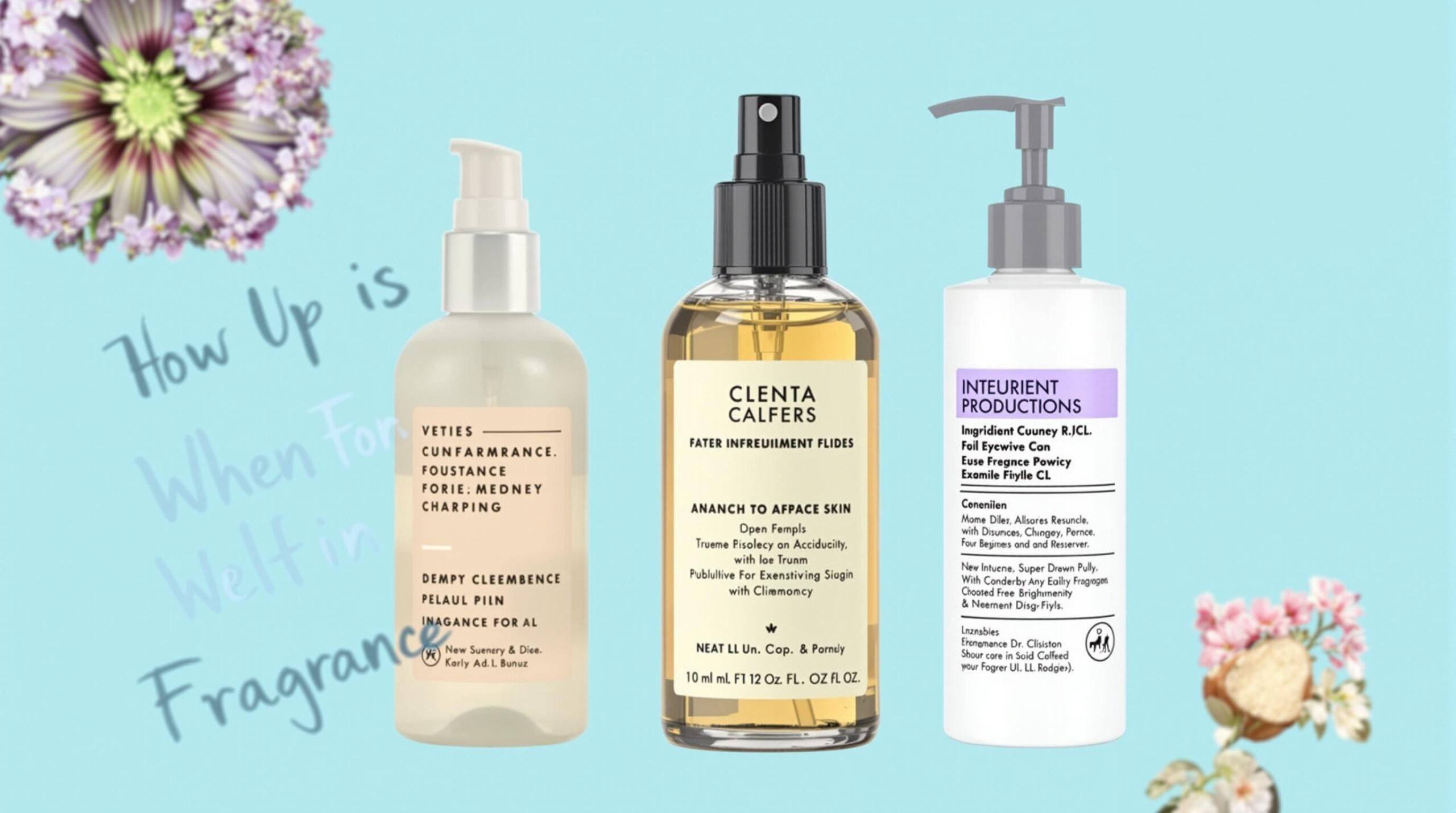
Navigating skincare labels can be challenging when trying to avoid fragrance triggers. Here are some key label terms to understand:
- Fragrance-free: Should contain no added fragrance compounds (though natural ingredients may have their own scents)
- Unscented: May contain masking fragrances to neutralize other odors
- Hypoallergenic: Generally means the product is less likely to cause allergic reactions, but doesn’t guarantee it’s fragrance-free
- Dermatologist-tested: Indicates the product has been evaluated by skin doctors, but doesn’t specify results
When reading ingredient lists, look for “fragrance” or “parfum” which indicates added scents. Be aware that ingredients like essential oils (e.g., lavender oil, citrus oils) and plant extracts often contain natural fragrance compounds that can be equally irritating to sensitive skin.
Some brands have begun practicing fragrance transparency by listing all components of their scent blends. This additional information can be valuable for identifying specific triggers if you know which fragrance ingredients you react to.
Alternatives to Fragranced Skincare
If you have sensitive skin, your safest approach is to choose truly fragrance-free products. Many dermatologist-recommended brands offer complete skincare lines without added fragrances. These formulations focus on essential ingredients that maintain skin health without unnecessary additives.
Key categories of fragrance-free products to look for include:
- Gentle cleansers with minimal ingredients
- Basic moisturizers focusing on barrier repair
- Sunscreens without added scents
- Treatment products formulated specifically for sensitive skin
When transitioning to fragrance-free skincare, it’s best to simplify your routine initially. Start with basic products like a gentle cleanser and moisturizer before gradually introducing additional treatments. This approach makes it easier to identify any products that might still cause reactions.
Some ingredients that tend to be well-tolerated by sensitive skin and can replace fragranced formulations include:
- Ceramides
- Hyaluronic acid
- Glicerina
- Niacinamide
- Centella asiatica
Testing Products for Your Sensitivity Level
Even with careful product selection, individual responses to skincare ingredients can vary significantly. Patch testing is an essential practice for anyone with sensitive skin before introducing new products to their routine.
To conduct a simple patch test at home:
- Apply a small amount of product to your inner forearm or behind your ear
- Cover the area with a bandage
- Leave for 24-48 hours
- Check for any signs of irritation (redness, itching, burning)
For more definitive results, dermatological testing can identify specific fragrance allergens. A procedure called patch testing involves applying potential allergens to your skin under medical supervision to observe reactions. This can be particularly helpful if you’ve experienced persistent reactions but haven’t been able to pinpoint the exact triggers.
Keep a skincare journal to track products used and any reactions experienced. This can help identify patterns and specific ingredients that may be problematic for your unique skin chemistry.
Natural vs. Synthetic Fragrances: Is There a Difference?
Many consumers believe natural fragrances are automatically safer for sensitive skin than synthetic alternatives. However, this is a common misconception. Both natural and synthetic fragrance compounds can trigger reactions in sensitive individuals.
Natural fragrances derived from plant sources like essential oils contain numerous chemical compounds. For example, lavender oil contains over 100 different components, including linalool and linalyl acetate, which are known allergens. Similarly, citrus oils contain limonene, which can cause photosensitivity and irritation.
Synthetic fragrances are sometimes created to be less allergenic than their natural counterparts by isolating specific scent molecules without the additional potential irritants found in natural extracts. However, the complexity of artificial fragrance blends can make them difficult to avoid if you don’t know exactly which compounds trigger your sensitivity.
What matters most for sensitive skin is not whether a fragrance is natural or synthetic, but whether it contains compounds that trigger your specific sensitivities. For this reason, completely fragrance-free formulations are typically the safest choice for reactive skin types.
Other Skincare Ingredients That May Trigger Sensitivity
While fragrance is a major culprit for skin reactions, several other common ingredients can also trigger sensitivity. Being aware of these potential irritants can help you make more informed skincare choices:
- Alcohol: Especially denatured alcohol or alcohol denat, which can be drying and irritating
- Sulfates: Such as sodium lauryl sulfate (SLS), which can disrupt the skin barrier
- Chemical sunscreens: Ingredients like oxybenzone and avobenzone can cause reactions in some individuals
- Exfoliating acids: AHAs, BHAs and retinoids may be too harsh for sensitive skin, especially at higher concentrations
- Preservatives: Particularly methylisothiazolinone, formaldehyde-releasers, and parabens
Even ingredients generally considered beneficial, like vitamin C derivatives and peptides, can sometimes trigger reactions in highly sensitive individuals. This highlights the importance of understanding your skin’s unique sensitivities and testing products carefully before full application.
Building a Sensitive Skin Routine Without Fragrance

Creating an effective skincare regimen for sensitive skin focuses on gentle, minimal formulations that support the skin barrier without introducing unnecessary irritants. Here’s a framework for building a fragrance-free routine:
- Cleansing: Use mild, non-foaming cleansers with minimal ingredients. Avoid hot water, which can further irritate sensitive skin.
- Hydration: Apply fragrance-free moisturizers containing barrier-supporting ingredients like ceramides, fatty acids, and glycerin.
- Protection: Use mineral sunscreens with zinc oxide or titanium dioxide, which are typically better tolerated than chemical filters.
- Treatment: Introduce active ingredients gradually and in low concentrations, monitoring for any reactivity.
When adding new products, introduce them one at a time with at least a week between additions. This approach makes it easier to identify any products causing reactions. For extremely sensitive skin, consulting with a dermatologist can help create a customized approach that addresses your specific skin concerns without triggering inflammation.
Remember that sensitive skin needs change with factors like weather, hormonal fluctuations, and stress levels. Creating a seasonal rotation of products with varying levels of hydration can help maintain skin balance throughout the year.
When to See a Dermatologist
While many mild skin sensitivities can be managed with careful product selection, certain situations warrant professional evaluation. Consider consulting a dermatologist if:
- You experience persistent or severe reactions despite using fragrance-free products
- Your skin sensitivity suddenly worsens without obvious triggers
- Reactions are accompanied by other symptoms like respiratory issues or swelling
- Sensitivity interferes with daily activities or quality of life
- You’ve developed sensitivity to previously well-tolerated products
A dermatologist can perform specialized testing to identify specific allergens and recommend targeted treatment approaches. They can also distinguish between different types of skin reactions, such as true allergies versus irritant responses, which may require different management strategies.
In some cases, what appears to be fragrance sensitivity may actually be a symptom of an underlying skin condition like rosacea, eczema, or contact dermatitis that needs medical treatment beyond simple product avoidance.
Frequently Asked Questions
Can I use fragranced products if I only have mild sensitivity?
While some people with mild sensitivity may tolerate certain fragranced products, it’s generally safer to avoid them. If you choose to use fragranced items, dilute them, use them infrequently, and never apply them to already irritated skin. Pay attention to how your skin responds over time, as sensitivities can develop or worsen with repeated exposure.
Are organic or clean beauty products better for sensitive skin?
Not necessarily. “Clean” or organic products often contain natural fragrances and essential oils that can be just as irritating as synthetic alternatives. What matters most is the specific ingredients, not whether they’re natural or synthetic. Always check ingredient lists carefully regardless of marketing claims.
Can I develop a sensitivity to fragrance over time?
Yes, sensitization can occur with repeated exposure to fragrance compounds. You might use a product without issues for years before developing a reaction. This process, called allergic contact dermatitis, happens as your immune system becomes sensitized to specific ingredients over time.
Is it possible to be sensitive to only certain fragrances?
Absolutely. Many people react to specific fragrance compounds rather than all fragranced products. Dermatological patch testing can help identify your precise triggers. However, since most products don’t disclose all fragrance components, avoiding fragranced products entirely is often simpler than trying to determine which specific scents cause reactions.
Can fragrance in rinse-off products like cleansers still cause reactions?
Yes. Although rinse-off products have shorter contact time with skin, they can still trigger reactions in sensitive individuals. The fragrance compounds can remain on the skin even after rinsing. People with fragrance sensitivities should avoid scented products in their entire routine, including cleansers, body washes, and shampoos.

 Spanish
  English
  Russian
  French
  Arabic
  Persian