
Examining modern food products reveals an alarming array of potentially hazardous additives lurking behind scientific terminology and appealing packaging. I’ve researched the most concerning food ingredients that scientific evidence suggests we should eliminate from our diets to protect our long-term health and wellbeing.
Key Takeaways
- Artificial trans fats significantly increase risk of heart disease, stroke, and diabetes
- High fructose corn syrup is linked to obesity and liver damage
- Artificial food colorings can trigger behavioral issues in children
- Certain preservatives like nitrites have been classified as carcinogenic by research organizations
- Reading ingredient labels is your best defense against consuming harmful additives
The Hidden Dangers: Harmful Ingredients in Your Food
Identifying harmful ingredients in food requires both knowledge and vigilance when faced with clever marketing tactics and complex chemical terminology. Many potentially dangerous additives are listed on labels using scientific names that don’t immediately signal caution. This comprehensive guide will help you recognize these problematic ingredients and make healthier choices for yourself and your family.
The food industry regularly uses additives to enhance flavor, extend shelf life, improve appearance, and cut production costs. While some additives are harmless, others have been linked to serious health concerns through scientific research. Understanding which ingredients deserve your scrutiny can dramatically improve your nutritional choices and long-term health outcomes.
Understanding Food Labels: The First Line of Defense
Food labels provide your most important tool for identifying potentially harmful ingredients in processed foods. The FDA mandates that manufacturers list all ingredients in descending order by weight, meaning the first few items make up the majority of the product. Learning to interpret these labels empowers you to make informed decisions about what you consume.
When examining food labels, be particularly cautious of lengthy, chemical-sounding names that often indicate artificial additives. Products with extensively long ingredient lists typically signal highly processed foods with minimal nutritional value. A practical rule: if you can’t pronounce an ingredient or wouldn’t recognize it as food, consider avoiding that product entirely.
Artificial Trans Fats: A Major Cardiovascular Risk
Artificial trans fats rank among the most dangerous food additives available. Created through hydrogenation, a process that adds hydrogen to vegetable oil to make it more solid, these fats primarily extend shelf life and enhance flavor in processed foods while dramatically increasing health risks.
Consuming trans fats creates a dangerous cardiovascular profile by simultaneously increasing LDL (bad) cholesterol and decreasing HDL (good) cholesterol. The American Heart Association has directly linked trans fat consumption to increased risk of heart disease, stroke, and type 2 diabetes. On ingredient lists, look for “partially hydrogenated oils” – this indicates trans fats, even if the product claims to be “trans fat-free” (which manufacturers can claim if the amount is less than 0.5g per serving).
Common foods that frequently contain trans fats include:
- Packaged cookies, cakes and pastries
- Stick margarines and vegetable shortening
- Fried fast foods, particularly french fries
- Microwave popcorn
- Frozen pizza and pie crusts
High Fructose Corn Syrup: Sweet Poison?
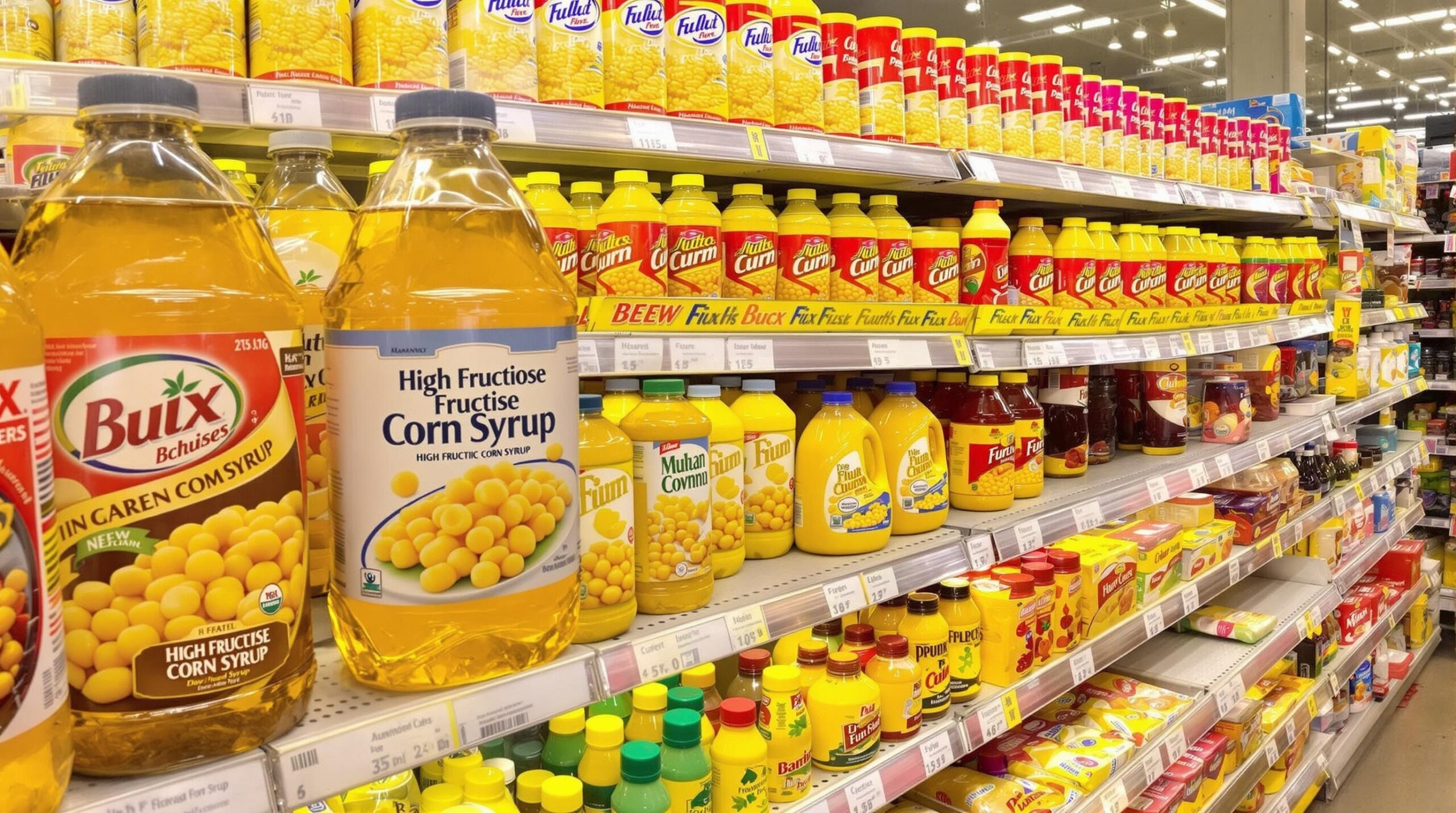
High fructose corn syrup (HFCS) has become omnipresent in processed foods, replacing traditional sugar due to its lower production costs and stability. This sweetener is manufactured by converting glucose in corn syrup to fructose, creating a sweeter compound that manufacturers find easier to work with.
The health concerns with HFCS stem from how our bodies process fructose differently than glucose. While every cell can metabolize glucose, fructose must be processed primarily by the liver. High consumption overwhelms the liver, potentially leading to increased fat production, insulin resistance, and non-alcoholic fatty liver disease.
Multiple research studies have connected HFCS consumption with obesity, diabetes, and cardiovascular problems. One particularly troubling aspect is that HFCS doesn’t trigger normal satiety signals in the brain, potentially leading to overconsumption. You’ll commonly find HFCS in these products:
- Sodas and sweetened beverages
- Breakfast cereals and granola bars
- Condiments like ketchup and barbecue sauce
- Salad dressings and marinades
- Commercial bread and baked goods
Artificial Food Colorings: Not Just for Show
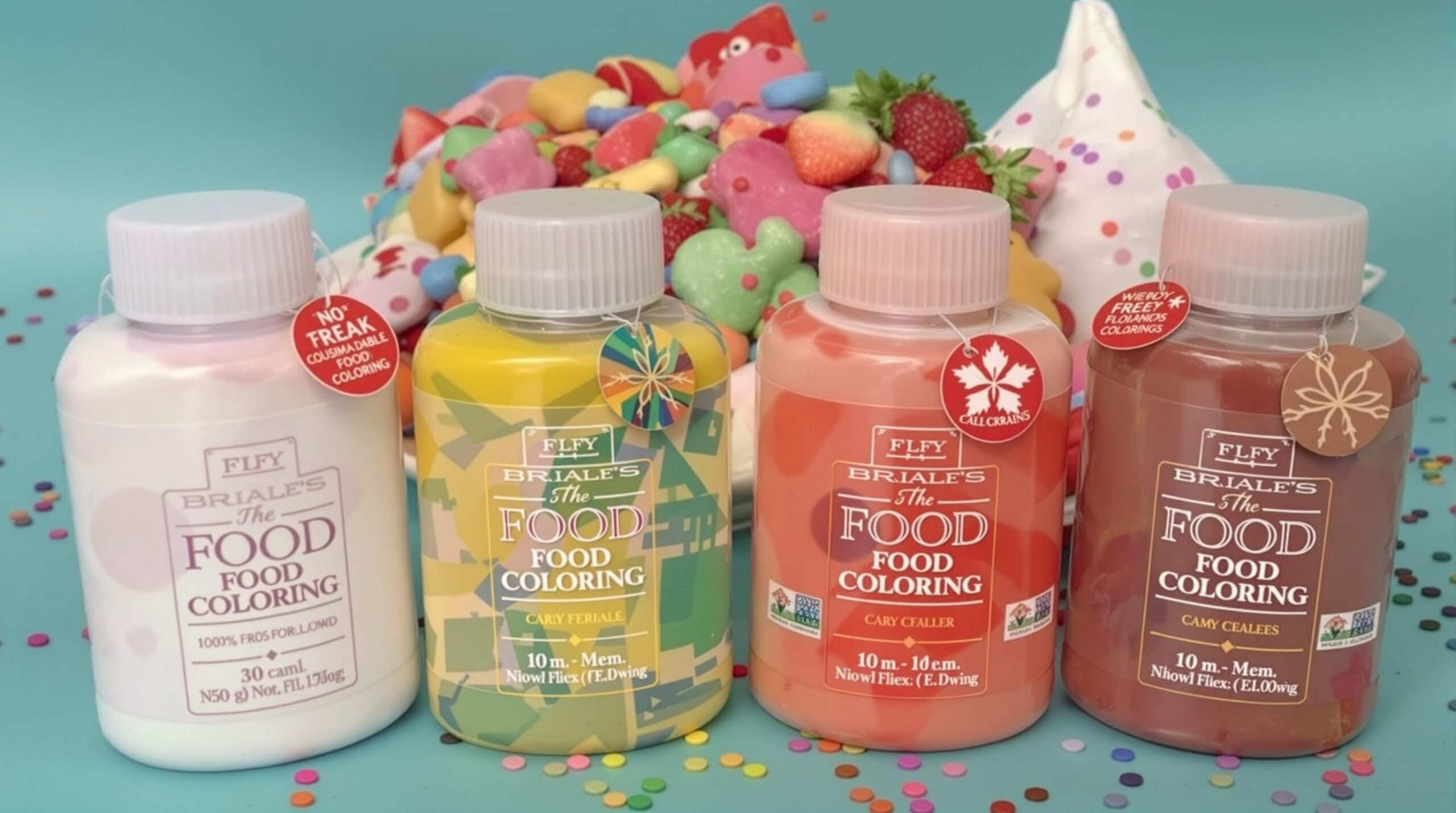
Artificial food colorings enhance visual appeal but come with concerning health implications. The most common synthetic dyes include Red 40, Yellow 5, Yellow 6, Blue 1, and Blue 2, which give processed foods their vibrant, eye-catching colors.
Scientific research has linked these artificial colorings to behavioral problems in children. A landmark study published in The Lancet demonstrated that consuming these dyes resulted in increased hyperactivity in both children with and without ADHD diagnoses. These synthetic colors have also been associated with allergic reactions in sensitive individuals, including hives, asthma, and skin rashes.
While the FDA maintains that currently approved food dyes are safe at expected consumption levels, many manufacturers now respond to consumer concerns by transitioning to natural colorings derived from foods like beets, turmeric, and spirulina. Artificial food colorings commonly appear in:
- Candy, gummy snacks and confectionery
- Brightly colored breakfast cereals
- Sports drinks, sodas and fruit punches
- Flavored yogurts and puddings
- Packaged snacks and chips
- Frostings and baked goods with vibrant colors
Monosodium Glutamate (MSG): The Flavor Enhancer with a Dark Side
MSG functions as a powerful flavor enhancer commonly added to restaurant foods, canned vegetables, soups, and processed meats. This additive stimulates glutamate receptors in taste buds, creating a savory, meaty taste sensation known as “umami” that makes foods seem more flavorful.
While the FDA classifies MSG as generally recognized as safe (GRAS), many individuals report adverse reactions after consuming foods with this additive. Symptoms of what’s sometimes called “MSG symptom complex” can include headaches, facial pressure, flushing, sweating, numbness, heart palpitations, and nausea. Some people appear particularly sensitive to even small amounts.
Research on MSG’s effects has produced mixed results, but evidence suggests that some individuals experience genuine sensitivity. If you notice adverse reactions after eating MSG-containing foods, avoiding it is prudent. MSG appears on labels under various names, including:
- Monosodium glutamate
- Hydrolyzed vegetable protein or plant protein
- Autolyzed yeast or yeast extract
- Glutamic acid or glutamate
- Sodium caseinate
- Maltodextrin (sometimes)
Sodium Nitrite and Nitrates: Preservatives with Potential Risks
Sodium nitrite and sodium nitrate serve as common preservatives in processed meats like bacon, ham, sausages, and deli meats. These compounds prevent dangerous bacterial growth, particularly Clostridium botulinum (which causes botulism), while also maintaining the appealing pink color consumers expect.
Health concerns arise when nitrites combine with amines naturally present in meat to form compounds called nitrosamines, which have been linked to cancer risk in numerous studies. The International Agency for Research on Cancer (IARC) has classified processed meats as Group 1 carcinogens—the same category that includes tobacco smoking and asbestos exposure.
While nitrites themselves aren’t inherently harmful, their potential to form carcinogenic compounds during high-temperature cooking or in the acidic environment of the stomach raises significant health concerns. To reduce exposure, consider these strategies:
- Limit consumption of processed and cured meats
- Look for “uncured” or “no nitrite/nitrate added” products
- Consume vitamin C alongside nitrite-containing foods to inhibit nitrosamine formation
- Choose fresh cuts of meat instead of processed options
Artificial Sweeteners: Sweet Substitutes with Bitter Consequences?
Artificial sweeteners like aspartame, saccharin, and sucralose have become increasingly common in our food supply as sugar substitutes in “diet” or “sugar-free” products. While they provide sweetness with minimal calories, emerging research suggests several potential health concerns.
Contrary to their intended purpose of supporting weight loss, some studies indicate that artificial sweeteners may actually contribute to weight gain and metabolic disruption. This counterintuitive effect appears linked to their impact on gut bacteria, insulin response, and appetite regulation. Research published in the journal Nature found that artificial sweeteners altered gut microbiota in ways that induced glucose intolerance in both mice and humans.
Specific concerns vary among different sweeteners. Aspartame has been associated with neurological symptoms in some individuals, while saccharin and sucralose have faced scrutiny for potential links to cancer and metabolic problems. Common artificial sweeteners to monitor include:
- Aspartame (sold as NutraSweet, Equal)
- Saccharin (Sweet’N Low)
- Sucralose (Splenda)
- Acesulfame potassium (Ace-K)
- Neotame and Advantame
BHA and BHT: Preservatives Under Investigation
Butylated hydroxyanisole (BHA) and butylated hydroxytoluene (BHT) function as synthetic antioxidant preservatives used to prevent oils in foods from becoming rancid. They extend shelf life and maintain color in a wide range of products from breakfast cereals to potato chips and packaged snacks.
These preservatives have raised health concerns due to their potential as endocrine disruptors that can interfere with normal hormone function. The National Toxicology Program has classified BHA as “reasonably anticipated to be a human carcinogen,” while both compounds have shown adverse health effects in animal studies, including potential links to cancer, hormonal disruption, and behavioral problems.
While regulatory agencies still permit their use in food products, many manufacturers have begun phasing out BHA and BHT in favor of natural alternatives like vitamin E (tocopherols) or rosemary extract. Products commonly containing these controversial preservatives include:
- Breakfast cereals and granola
- Chewing gum and candy
- Potato chips and processed snack foods
- Shortening and vegetable oils
- Processed meats and sausages
- Certain cake and dessert mixes
Propylene Glycol: An Industrial Chemical in Your Food
Propylene glycol serves as a versatile synthetic compound in food production, functioning as a humectant (moisture retainer) and solvent for flavors and colors. It appears in both food products and industrial applications like antifreeze, raising consumer concerns despite food-grade versions being considered generally safe by regulatory authorities.
While typically recognized as safe in small amounts, propylene glycol can cause irritation of the eyes, skin, and respiratory tract at higher exposures. People with existing kidney or liver conditions may have increased sensitivity to this compound, as these organs bear primary responsibility for metabolizing and eliminating it from the body.
Propylene glycol appears in many processed foods, including:
- Ice cream and frozen dairy desserts
- Commercial salad dressings
- Flavored coffee drinks and creamers
- Sodas and soft drinks
- Cake mixes and baking products
- Processed foods containing artificial flavors
Making Healthier Food Choices
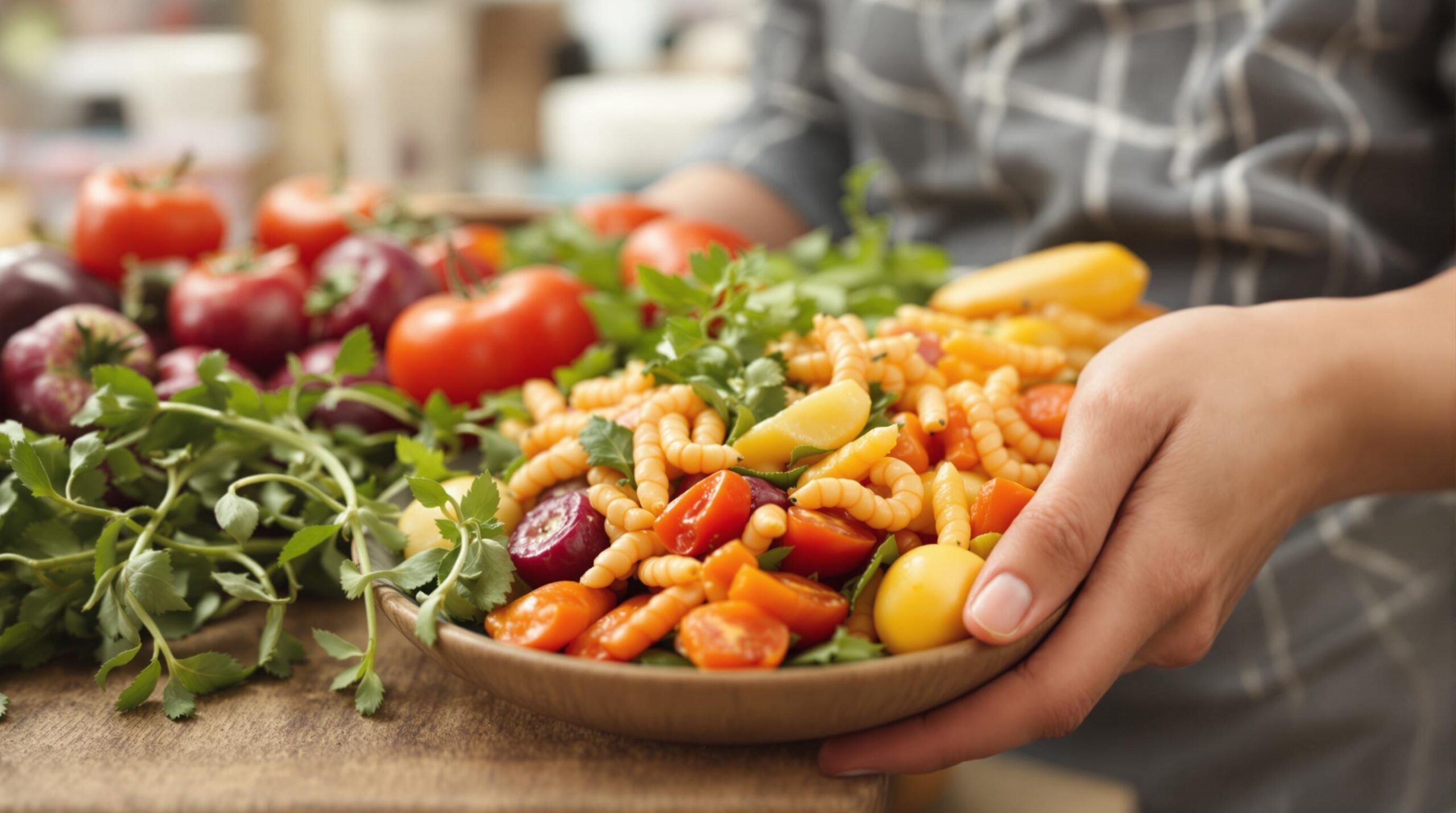
Avoiding harmful food ingredients requires intentional shopping habits and label awareness. Here are practical strategies to minimize your exposure to potentially harmful additives while maintaining a enjoyable, varied diet.
Prioritize whole, unprocessed foods whenever possible. Fresh fruits, vegetables, whole grains, nuts, seeds, and minimally processed proteins naturally avoid most harmful additives while providing essential nutrients that processed foods typically lack. These foods form the foundation of virtually every evidence-based healthy eating pattern across cultures.
When purchasing packaged foods, invest time reading ingredient labels carefully. Generally, shorter ingredient lists indicate less processing and fewer additives. Ingredients you recognize as actual foods rather than chemicals suggest a more natural product. Seeking certified organic products can help limit exposure to synthetic additives, preservatives, and pesticide residues.
Consider preparing more meals at home where you maintain complete control over ingredients. This doesn’t demand advanced culinary skills—even simple home-prepared meals typically contain fewer additives than commercial alternatives. When dining out, don’t hesitate to ask about ingredients or preparation methods if you have specific concerns about food additives.
FAQs About Harmful Food Ingredients
What are the most dangerous food additives to avoid?
The most concerning food additives include artificial trans fats (partially hydrogenated oils), sodium nitrite in processed meats, artificial food colorings, MSG, and high fructose corn syrup. These additives have been linked to various health issues including heart disease, cancer risk, behavioral problems in children, and metabolic disorders.
Are all preservatives in food harmful?
No, not all preservatives are harmful. Many natural preservatives like vitamin C (ascorbic acid), vitamin E (tocopherols), citric acid, and rosemary extract have excellent safety profiles. The concern primarily lies with synthetic preservatives like BHA, BHT, and sodium nitrite, which have been associated with potential health risks in some studies.
How can I identify harmful ingredients on food labels?
Look for chemical-sounding names, particularly partially hydrogenated oils (trans fats), artificial colors (Red 40, Yellow 5, etc.), high fructose corn syrup, BHA/BHT, sodium nitrite, and MSG (or its alternative names like hydrolyzed protein). When in doubt about an ingredient, a quick internet search can help determine if it’s something you want to consume.
Are natural flavors safer than artificial flavors?
Natural flavors are derived from plant or animal sources, while artificial flavors are synthesized in laboratories. While natural flavors might seem healthier, both categories can contain numerous chemical compounds. Natural flavors aren’t necessarily healthier, but they do come from natural sources rather than being completely synthetic. Both are used in very small amounts in foods.
What’s the difference between “organic” and “natural” on food labels?
“Organic” is a regulated term that means the food meets specific USDA standards for production without synthetic pesticides, GMOs, or certain additives. “Natural,” however, has no standardized definition for most foods and doesn’t guarantee the absence of artificial ingredients. When seeking foods with fewer harmful additives, organic certification provides more reliable assurance than “natural” claims.
 Spanish
  English
  Russian
  French
  Arabic
  Persian