
Artificial ingredients, ranging from preservatives to flavor enhancers, have become integral components of modern food production, raising concerns about their potential health impacts. Scientific research presents a nuanced view, suggesting that while some artificial additives may pose risks, others have been extensively tested and deemed safe for consumption within regulatory limits.
Key Takeaways
- Not all artificial ingredients are created equal – some have proven safety records while others warrant caution
- Regulatory bodies like the FDA and EFSA evaluate artificial additives before approving them for food use
- Individuals with specific sensitivities may experience adverse reactions to certain artificial ingredients
- A diet rich in whole, unprocessed foods naturally limits exposure to potentially concerning artificial additives
- Reading ingredient labels empowers consumers to make informed choices about artificial ingredients in their diet
Understanding Artificial Ingredients in Our Food
Artificial ingredients encompass a broad category of synthetic compounds added to foods for various purposes. These include preservatives that extend shelf life, colorants that enhance visual appeal, flavor enhancers that intensify taste, and texturizers that improve mouthfeel. The food industry has incorporated these additives into countless products on supermarket shelves, from breakfast cereals to ready-made dinners.
The distinction between “artificial” and “natural” isn’t always clear-cut. Some additives derived from natural sources undergo significant processing, while others are entirely synthetic but mimic compounds found in nature. This complexity makes evaluating their health impacts challenging for both scientists and consumers alike.
Common artificial ingredients include:
- Artificial sweeteners (aspartame, sucralose, saccharin)
- Synthetic food dyes (Red 40, Yellow 5, Blue 1)
- Preservatives (sodium benzoate, BHA, BHT)
- Flavor enhancers (MSG, disodium inosinate)
- Emulsifiers (polysorbates, carrageenan)
Understanding the purpose and prevalence of these ingredients provides essential context for evaluating their potential health impacts. Rather than viewing artificial ingredients as uniformly “good” or “bad,” a nuanced approach recognizes that each additive has its own safety profile and potential concerns.
The Regulatory Framework for Artificial Ingredients
Before artificial additives appear in food products, they undergo rigorous safety assessments by regulatory authorities. In the United States, the Food and Drug Administration (FDA) evaluates artificial ingredients through its GRAS (Generally Recognized As Safe) program or formal food additive petition process. Similarly, the European Food Safety Authority (EFSA) conducts independent scientific evaluations before approving additives for use.
These regulatory processes typically involve:
- Toxicological studies examining short and long-term effects
- Determination of acceptable daily intake levels
- Evaluation of potential allergenic properties
- Assessment of possible interactions with other substances
Despite these safeguards, regulatory standards vary globally, creating situations where certain additives permitted in one country may be restricted or banned in others. For example, food dyes like Yellow 5 and Red 40 remain approved in the US but require warning labels in Europe due to concerns about potential behavioral effects in children.
Periodic re-evaluation of additives occurs as new scientific evidence emerges. The dynamic nature of food safety regulation means that an ingredient previously deemed safe might face new restrictions if research suggests potential health concerns. This adaptability helps protect public health but can create confusion for consumers trying to navigate changing information.
Scientific Evidence: Separating Fact from Fiction
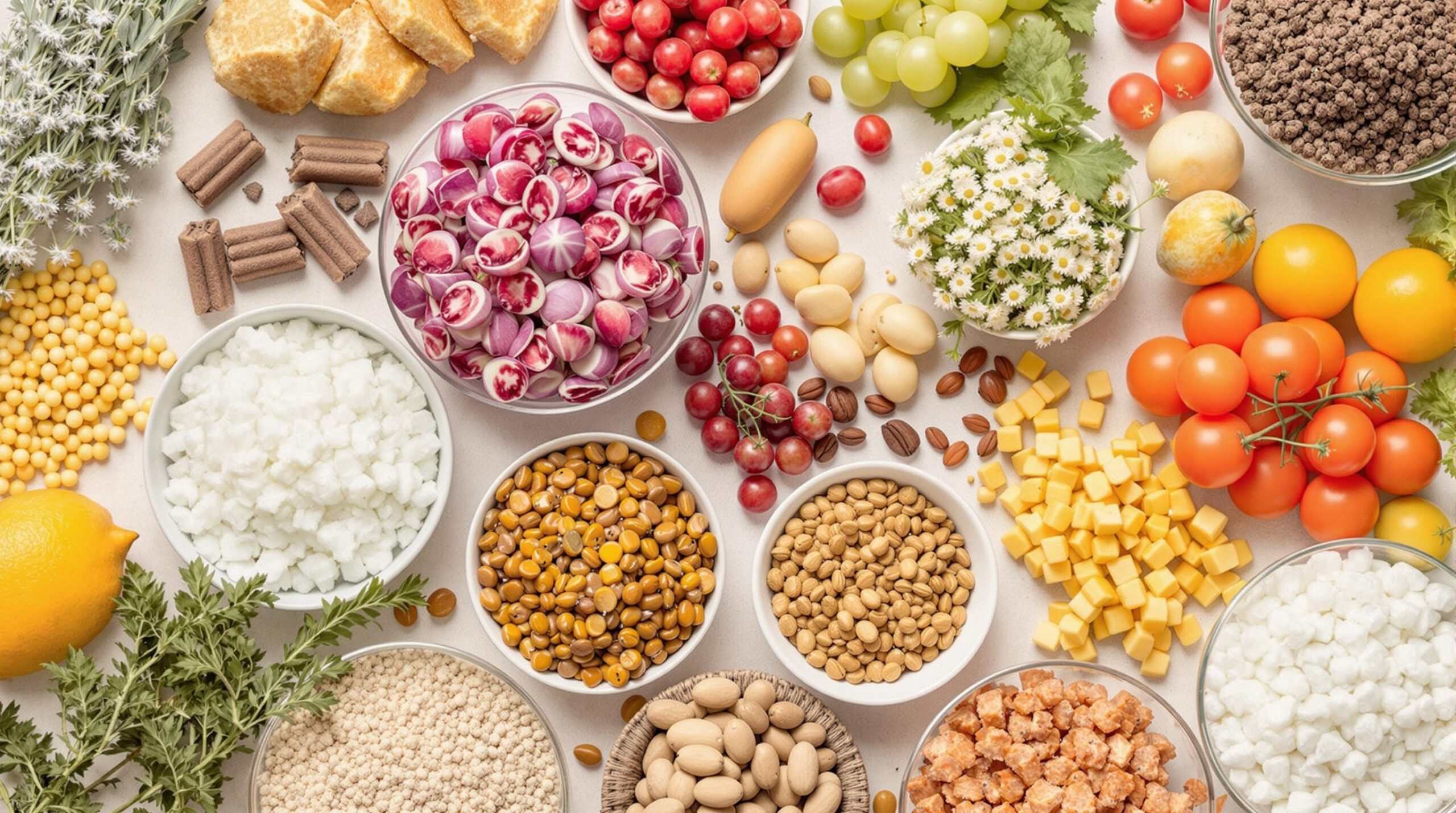
The scientific literature on artificial ingredients presents a complex and sometimes contradictory picture. While some additives have robust safety evidence spanning decades, others face ongoing scrutiny as research identifies potential concerns. Understanding this nuanced landscape requires examining specific categories of artificial ingredients.
Artificial sweeteners, among the most extensively studied additives, illustrate this complexity. Despite concerns about potential links to metabolic issues, a comprehensive review by the American Cancer Society found no conclusive evidence connecting approved sweeteners to cancer in humans. However, emerging research suggests possible effects on gut microbiome composition and insulin response, highlighting the need for continued investigation.
Synthetic food dyes have attracted particular attention regarding children’s health. Some studies indicate that certain children may experience heightened sensitivity to artificial colorants, potentially affecting behavior and attention. This evidence led the European Union to require warning labels on products containing specific dyes, though the FDA maintains these colorants are safe for the general population.
Preservatives like BHA and BHT present another area of scientific debate. While these additives effectively prevent food spoilage, animal studies have raised questions about potential endocrine-disrupting effects at high doses. However, human exposure typically occurs at levels far below safety thresholds, and definitive evidence of harm from normal dietary intake remains limited.
The scientific consensus suggests most approved artificial ingredients pose minimal risk at regulated levels. However, individual responses vary, and certain populations may experience greater sensitivity to specific additives.
Potential Health Concerns Associated with Specific Additives
While most artificial ingredients have established safety records, certain additives have raised specific health concerns worthy of consideration. These concerns typically involve either immediate reactions in sensitive individuals or potential long-term effects from cumulative exposure.
Artificial food dyes, particularly Red 40, Yellow 5, and Yellow 6, have been associated with hypersensitivity reactions in some individuals. These reactions can include hives, itching, and asthma symptoms in susceptible people. Additionally, some research suggests possible behavioral effects in children, though the evidence remains inconclusive and continues to be debated among scientists.
MSG (monosodium glutamate) exemplifies how individual sensitivity varies dramatically. While many consume MSG without issue, others report experiencing “MSG symptom complex” – headaches, flushing, and sweating after consuming foods with this flavor enhancer. However, blinded studies often fail to confirm these reactions, suggesting psychological factors may play a role for some individuals.
Some preservatives have attracted scrutiny for potential long-term effects. Nitrates and nitrites, commonly used in processed meats, can form potentially carcinogenic compounds called nitrosamines under certain conditions. This concern has led to recommendations to limit processed meat consumption, though the risk from occasional consumption appears minimal.
It’s important to note that dose matters significantly when assessing potential risks. Many laboratory studies exposing animals to high concentrations of additives don’t accurately reflect human dietary exposure. The “acceptable daily intake” limits established by regulatory authorities include substantial safety margins to account for this difference.
Sensitive Populations: Who Should Exercise Extra Caution?
While most people tolerate artificial ingredients without apparent issues, certain populations may benefit from additional caution when consuming these additives. Individual responses to artificial ingredients vary widely based on genetic factors, existing health conditions, and developmental stage.
Children represent a population of special concern regarding artificial additives. Their developing bodies process compounds differently than adults, and their smaller size results in proportionally higher exposure relative to body weight. This physiological difference underpins recommendations from some pediatric organizations to limit artificial additives in children’s diets, particularly for those with behavioral disorders.
Individuals with the following conditions may experience increased sensitivity to specific artificial ingredients:
- Phenylketonuria (PKU) – must avoid aspartame, which contains phenylalanine
- Histamine intolerance – may react to sulfites and certain preservatives
- Inflammatory bowel conditions – potentially sensitive to emulsifiers like polysorbates
- Migraine sufferers – some report triggers including MSG, aspartame, and certain food dyes
Pregnant women constitute another group sometimes advised to exercise caution with certain additives. While most approved additives are considered safe during pregnancy, limited research exists on potential developmental effects. This knowledge gap leads some healthcare providers to recommend a “better safe than sorry” approach, particularly with newer or less-studied additives.
Those with known sensitivities benefit from carefully reading ingredient labels and identifying their specific triggers. This personalized approach recognizes that while an additive may be safe for the general population, individual responses can differ considerably.
Natural vs. Artificial: Is There a Meaningful Distinction?
The perception that “natural” ingredients are inherently healthier than artificial ones represents a common but oversimplified perspective. This natural/artificial dichotomy fails to account for the wide variation in safety profiles within both categories and sometimes leads consumers to make decisions based on misconceptions rather than evidence.
Many natural substances can be harmful – consider that cyanide occurs naturally in apple seeds, and aflatoxins (potent carcinogens) develop naturally on certain crops. Conversely, many artificial ingredients have excellent safety profiles supported by extensive testing. The origin of an ingredient – whether lab-created or derived from plants or animals – provides limited information about its health effects.
The processing of ingredients further blurs this distinction. Some “natural” flavors undergo significant chemical modification, while certain “artificial” additives closely mimic compounds found in nature. The FDA’s definition of natural flavors includes substances extracted from plants or animals but permits extensive chemical processing of these extracts – a fact that surprises many consumers.
A more helpful framework evaluates ingredients based on:
- Safety evidence from quality scientific studies
- Individual tolerance and sensitivity
- Functional purpose in food (necessity vs. cosmetic enhancement)
- Concentration and exposure frequency
This evidence-based approach avoids the “appeal to nature” fallacy – the mistaken belief that anything natural must be good and anything artificial must be harmful. Instead, it recognizes that safety depends on specific properties rather than origin.
Making Informed Dietary Choices About Artificial Ingredients
Navigating decisions about artificial ingredients doesn’t require an all-or-nothing approach. Instead, balanced dietary choices can help minimize potential risks while acknowledging the practical realities of modern food consumption. A thoughtful strategy focuses on reducing unnecessary exposure while maintaining dietary flexibility.
Reading ingredient labels represents the first step toward informed choices. Artificial additives appear under both familiar names (like “artificial flavor”) and specific compounds (like “sodium benzoate” or “FD&C Yellow #5”). Becoming familiar with common additives and their functions helps you evaluate whether their presence in a food serves your needs.
Practical strategies for managing artificial ingredient intake include:
- Emphasizing whole, minimally processed foods as dietary staples
- Cooking from scratch when possible to control ingredients
- Being selective about processed foods – choosing those with shorter, recognizable ingredient lists
- Identifying personal sensitivities through food journaling or elimination diets (with healthcare provider guidance)
- Prioritizing concern for additives with stronger evidence of potential issues
Rather than attempting to eliminate all artificial ingredients, which can be impractical and unnecessarily restrictive, consider the overall dietary pattern. A diet centered on vegetables, fruits, whole grains, and quality protein naturally limits artificial additives while providing nutritional benefits that likely outweigh minor concerns about occasional exposure to synthetic ingredients.
For parents concerned about children’s exposure, gradually introducing more whole foods while moderating heavily processed options offers a balanced approach. This strategy avoids creating anxiety around food while still reducing unnecessary additive consumption.
The Future of Food Ingredients: Trends and Innovations
Consumer concerns about artificial ingredients have sparked significant innovation in the food industry. Many manufacturers now respond to market demands for “cleaner” labels by reformulating products with ingredients perceived as more natural. This trend continues to reshape food production practices and ingredient selection.
Emerging alternatives to traditional artificial ingredients include:
- Plant-derived colors (from beets, turmeric, spirulina) replacing synthetic dyes
- Natural preservatives like rosemary extract and fermentation-derived compounds
- Flavor enhancers from yeast extracts rather than synthetic compounds
- Sweetener systems combining natural sweeteners with flavor modulators
These alternatives aim to deliver similar functional benefits while addressing consumer preferences. However, they come with trade-offs in stability, cost, and performance. A natural colorant might offer a less vibrant hue or shorter shelf life than its synthetic counterpart, requiring manufacturers to balance technical requirements with consumer expectations.
Advances in food science continue to develop new ingredients with improved safety profiles. Techniques like precision fermentation and cellular agriculture create ingredients identical to natural compounds but produced through controlled biological processes. These approaches potentially offer the best of both worlds – the consistency and scalability of artificial ingredients with the familiarity of natural ones.
The regulatory landscape is also evolving, with increased scrutiny of both new and existing ingredients. This shifting environment suggests that tomorrow’s food system may feature fewer concerning additives as alternatives emerge and standards tighten. However, this transition will likely proceed gradually as technical challenges and cost considerations influence adoption rates.
Conclusion: A Balanced Perspective on Artificial Ingredients
The question of whether artificial ingredients harm health resists simple answers. The evidence suggests most approved additives pose minimal risk at typical consumption levels for most people. However, individual responses vary, and certain additives warrant more caution than others based on available research.
A pragmatic approach recognizes that food choices involve balancing multiple factors – nutrition, convenience, enjoyment, cultural significance, and individual health needs. While minimizing unnecessary exposure to artificial additives represents a reasonable precautionary measure, this goal exists within a broader context of dietary patterns and overall lifestyle.
Perhaps most importantly, decisions about artificial ingredients benefit from being evidence-based rather than fear-driven. The dose makes the poison – even water becomes toxic at excessive amounts, while substances that sound concerning often occur at levels far too low to create meaningful risk. This perspective helps maintain a healthy relationship with food while still making thoughtful choices.
For those concerned about artificial ingredients, focusing on a diet rich in whole, minimally processed foods automatically reduces additive exposure without requiring obsessive label-reading. This approach offers multiple health benefits beyond additive reduction and represents a sustainable strategy for long-term wellbeing.
Ultimately, the artificial ingredients in our food supply reflect both the achievements and challenges of modern food production. As science advances and consumer preferences evolve, I expect continued improvements in both the safety and perception of food additives. In the meantime, informed moderation represents the most balanced path forward.
Frequently Asked Questions
Are all artificial food additives tested for safety?
Yes, regulatory bodies like the FDA and EFSA require safety testing before artificial additives can be used in food products. However, testing protocols and standards have evolved over time, meaning older additives may not have undergone the same testing as newer ones.
How can I identify artificial ingredients on food labels?
Artificial ingredients may be listed by their specific chemical names (like “butylated hydroxyanisole”), numbered codes (like “Red 40”), or general terms (like “artificial flavor”). Ingredients are listed in descending order by weight, so those appearing later in the ingredient list are present in smaller amounts.
Do organic foods contain artificial ingredients?
Certified organic foods prohibit most artificial colors, flavors, preservatives, and sweeteners according to USDA organic standards. However, a small number of synthetic ingredients are permitted in organic processing if they meet specific criteria and no organic alternatives exist.
Are artificial sweeteners better for weight management than sugar?
The relationship between artificial sweeteners and weight management is complex. While they provide sweetness with fewer calories than sugar, some research suggests they may affect appetite regulation and gut microbiota in ways that could impact weight. Results from human studies show mixed outcomes regarding their effectiveness for long-term weight management.
Should I avoid all artificial ingredients during pregnancy?
Most approved food additives are considered safe during pregnancy at normal consumption levels. However, due to limited research on some newer additives, many healthcare providers recommend a cautious approach, particularly with non-essential additives. Focusing on whole, minimally processed foods naturally limits exposure while ensuring nutritional adequacy.
 Persian
  English
  Spanish
  Russian
  French
  Arabic