
High fructose corn syrup (HFCS) has become one of the most controversial food ingredients in the American diet, with passionate arguments both for and against its use. The sweetener, derived from corn starch through enzymatic processing, has been the subject of intense scientific scrutiny regarding its potential effects on obesity, metabolic disorders, and overall health.
Key Takeaways
- HFCS is a corn-derived sweetener containing approximately 55% fructose that’s chemically similar to table sugar
- Americans consume an average of 40% of caloric sweeteners from HFCS, often hidden in processed foods
- Scientific research has linked excessive HFCS consumption to liver strain, obesity risk, and metabolic disorders
- The FDA classifies HFCS as a “natural ingredient” despite consumer perception differences
- Reducing HFCS intake is possible through whole food choices and careful label reading
What is High Fructose Corn Syrup?
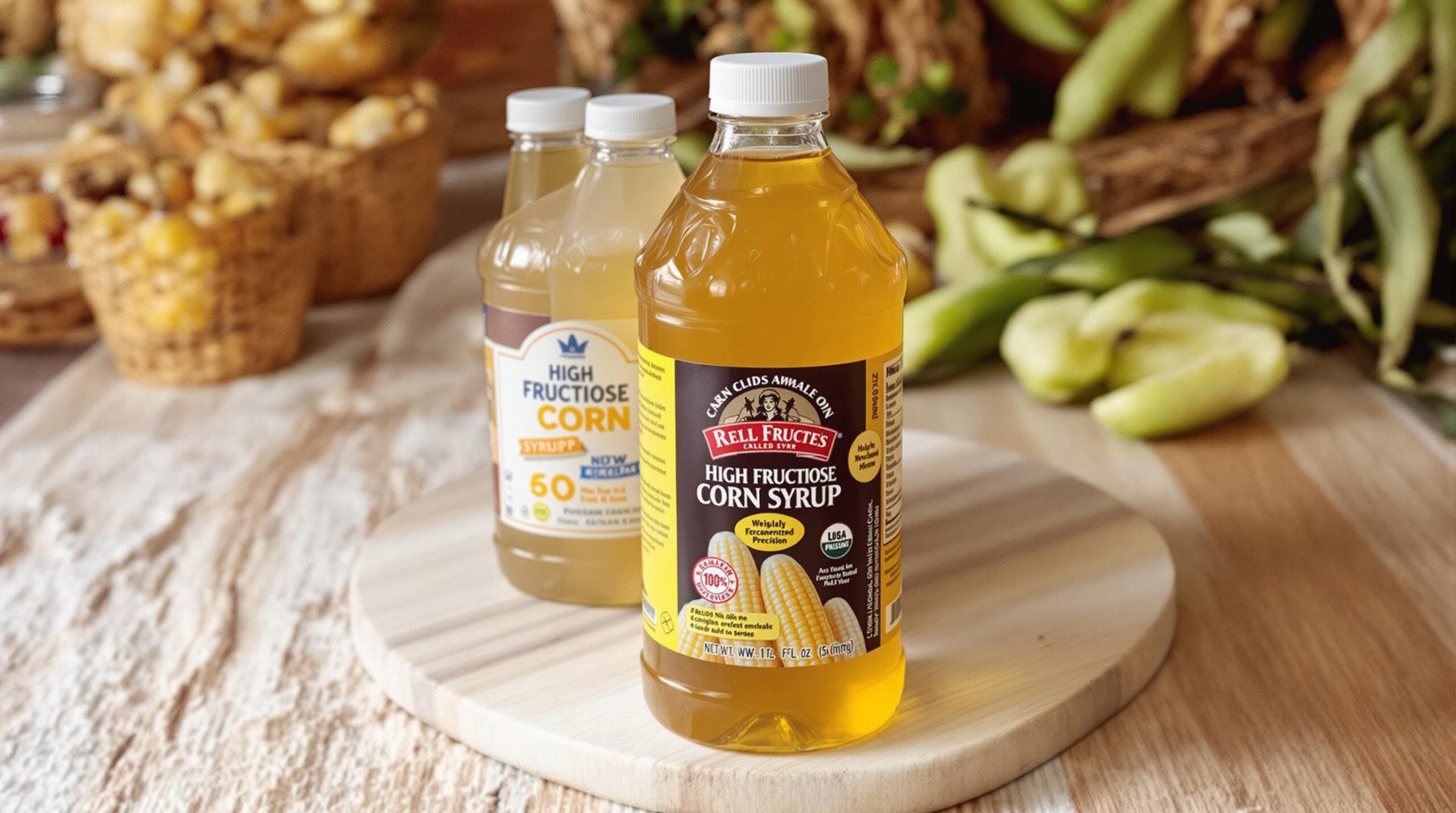
High fructose corn syrup (HFCS) is a sweetener manufactured from corn starch through a complex enzymatic conversion process. Unlike the simple extraction methods used for cane sugar, HFCS production involves breaking corn starch down into glucose, then converting some of that glucose into fructose using enzymes.
Chemically, HFCS consists of approximately 55% fructose, with the remainder being predominantly glucose and water. This composition is notably similar to regular table sugar (sucrose), which is a 50/50 blend of fructose and glucose. The slight fructose concentration difference gives HFCS a marginally sweeter taste profile than regular sugar.
The FDA classifies HFCS as a “natural” ingredient, though this classification often conflicts with consumer perception of what constitutes “natural.” The FDA’s definition centers on the fact that HFCS is derived from corn, a natural source, rather than being synthetically manufactured from non-food components.
HFCS became a manufacturer favorite due to several economic advantages. It’s significantly cheaper than traditional cane sugar, maintains product moisture better, and has a longer shelf life. These factors explain its widespread adoption across the food industry since the 1970s, despite growing consumer concerns.
The Health Debate: Should You Be Concerned?
The health concerns surrounding HFCS primarily focus on its potential contribution to the obesity epidemic and metabolic disorders. Critics argue that the unique metabolic pathways of fructose processing in the body differ significantly from glucose, potentially causing harmful effects when consumed in large quantities.
As obesity rates have climbed in the United States, researchers have noted a correlation with increased HFCS consumption. However, correlation doesn’t necessarily equal causation. Many experts point out that overall caloric consumption has risen during the same period, making it difficult to isolate HFCS as the sole culprit.
The scientific consensus currently suggests that moderate HFCS consumption likely doesn’t pose significant health risks beyond those associated with any added sugar. However, the problem lies in the actual consumption patterns of Americans, which far exceed recommended limits for added sugars in general.
Nutritional authorities remain divided on whether HFCS deserves special concern. Some argue it’s no worse than regular sugar, while others point to research suggesting unique metabolic effects. This conflict in expert opinion reflects the complex nature of nutrition science and the challenges in studying isolated ingredients in human diets.
Research findings on HFCS have been notably inconsistent, with studies showing everything from minimal health impacts to significant metabolic disruption. These conflicting results often stem from differences in study design, funding sources, and the difficulty separating HFCS effects from overall dietary patterns.
How HFCS Affects Your Body
To understand HFCS concerns, it’s essential to examine how fructose metabolism differs from glucose processing. When you consume glucose, virtually every cell in your body can use it for energy. In contrast, fructose must be processed primarily by your liver.
This concentrated liver processing can potentially create metabolic strain, especially when consumed in large amounts. The liver converts fructose into fat more readily than it does glucose, potentially leading to increased triglyceride levels and fatty liver development. Studies have shown triglyceride increases of up to 32% after just six weeks of high fructose consumption.
Unlike glucose, fructose doesn’t trigger insulin release or stimulate leptin (the satiety hormone), potentially disrupting normal hunger signals. This disruption may lead to overconsumption of calories, as your body doesn’t register fullness in the same way it does with other foods.
Research has linked excessive fructose consumption to non-alcoholic fatty liver disease (NAFLD), a condition now affecting over 90 million Americans. The lipogenic effects of fructose can promote visceral fat accumulation – the dangerous internal fat that surrounds organs and increases disease risk.
HFCS consumption may also elevate uric acid production, potentially increasing gout risk and contributing to inflammatory processes in the body. These multifaceted metabolic impacts demonstrate why many researchers believe HFCS deserves special scrutiny beyond regular sugar concerns.
American Consumption Patterns
American consumption of HFCS has reached concerning levels, with average intakes far exceeding global norms. Current estimates suggest HFCS constitutes over 40% of caloric sweeteners in the American food supply, a dramatic shift from just decades ago when cane sugar dominated.
The average American now consumes approximately 500+ calories daily from sugar sources, with a significant portion coming from HFCS. This represents a substantial percentage of recommended daily caloric intake devoted solely to empty calories without nutritional benefit.
Historical consumption trends show a sharp increase in HFCS use beginning in the 1970s, corresponding with agricultural policies that made corn production more economical. This increase parallels rising obesity rates, though multiple factors likely contribute to this public health challenge.
Demographic analysis reveals that certain populations consume significantly more HFCS than others. Young adults, lower-income households, and specific geographic regions show higher consumption patterns. These disparities often reflect broader food access issues and economic constraints on dietary choices.
Regional variations in HFCS consumption exist across the United States, with some areas showing nearly double the intake of others. These differences correlate with regional food traditions, economic factors, and even local food policies regarding school meals and public food programs.
HFCS vs. Other Sweeteners: A Nutritional Comparison
Comparing HFCS to other sweeteners reveals important nutritional distinctions. While table sugar (sucrose) contains a 50% fructose/50% glucose ratio, HFCS typically contains 55% fructose – a seemingly small difference that some researchers believe may have metabolic significance when consumed in large quantities.
Natural sweeteners like honey, maple syrup, and agave nectar contain varying fructose levels – with agave surprisingly containing up to 90% fructose. However, these sweeteners often provide additional nutrients and antioxidants that refined HFCS lacks.
Absorption rates differ between sweeteners as well. The pre-separated fructose and glucose in HFCS may be absorbed more quickly than sucrose, which requires digestive enzyme action to split into its component sugars. This faster absorption might create different metabolic responses.
Fructose from fruit differs significantly from HFCS because it comes packaged with fiber, vitamins, minerals, and antioxidants. This nutritional context slows absorption and provides beneficial compounds that offset potential negatives – explaining why fruit consumption doesn’t carry the same concerns as HFCS.
Artificial sweeteners offer calorie-free alternatives but come with their own controversies regarding potential effects on gut microbiota and metabolic health. Natural alternatives like stevia and monk fruit provide sweetness without calories and may represent healthier options for those concerned about HFCS.
A historical controversy surrounding HFCS involved potential mercury contamination from production methods. While modern manufacturing has addressed these concerns, this episode highlights the complex considerations beyond simple nutritional profiles when evaluating sweetener options.
Hidden Sources of HFCS in Your Diet
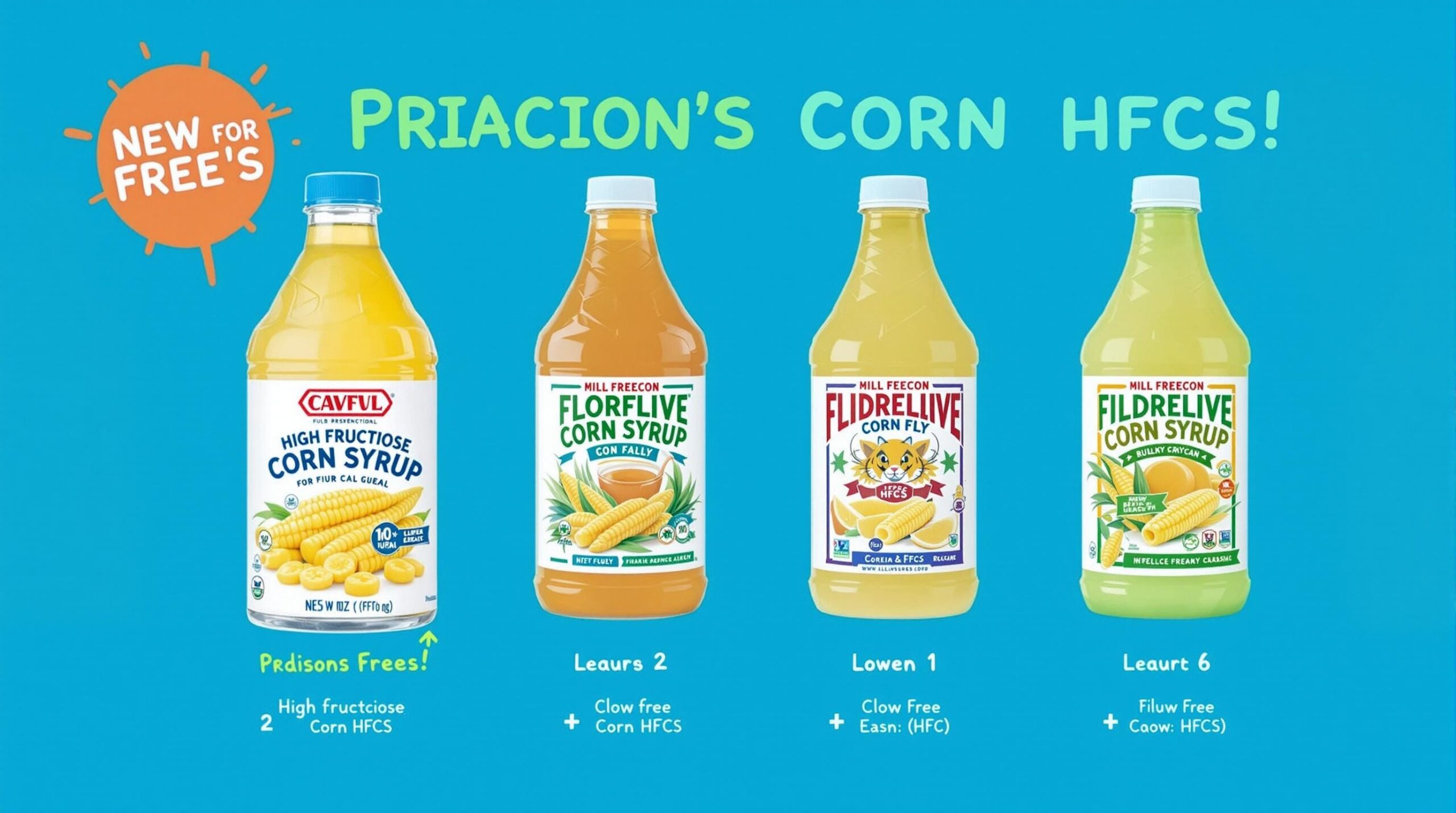
HFCS lurks in an astonishing array of processed foods, often in products consumers wouldn’t expect to contain sweeteners. Beyond obvious sources like sodas and candies, HFCS frequently appears in savory foods including bread, crackers, soups, and condiments.
Learning to identify HFCS on ingredient labels is essential for those wishing to limit consumption. Manufacturers sometimes use alternative names or split sweetener types to make sugar content less obvious. Look for terms like “corn sugar,” “glucose-fructose syrup,” or simply “high fructose corn syrup” on ingredient lists.
Particularly surprising HFCS sources include many yogurts, salad dressings, breakfast cereals, and even some “health foods.” These products often contain significant amounts despite being marketed as nutritious options, creating confusion for health-conscious consumers.
Restaurant and fast food items frequently contain substantial HFCS, particularly in sauces, dressings, and desserts. Without access to ingredient lists, consumers often unknowingly consume HFCS in large quantities when dining out, contributing to excessive intake patterns.
A typical dietary pattern analysis reveals that American adults may consume HFCS from multiple sources throughout the day: sweetened breakfast cereal or flavored coffee in the morning, a sandwich with HFCS-containing bread and condiments at lunch, sweetened beverages throughout the day, and processed dinner components – creating a continuous exposure that adds up quickly.
The Link to Chronic Diseases
Research has established concerning links between excessive HFCS consumption and various chronic diseases. Regarding obesity, studies suggest HFCS may disrupt normal satiety signals and promote fat storage through unique metabolic mechanisms that differ from other caloric sources.
Type 2 diabetes risk appears elevated with high HFCS consumption, potentially due to increased insulin resistance and pancreatic strain. The rapid absorption of fructose creates blood sugar fluctuations that may damage insulin sensitivity over time, particularly when consumed in liquid form.
Cardiovascular impacts include elevated triglycerides, increased LDL cholesterol, and changes to blood pressure regulation. These effects on lipid profiles may increase heart disease risk independently of weight gain, representing a direct metabolic impact rather than simply a caloric concern.
Inflammatory responses triggered by excessive fructose may contribute to chronic low-grade inflammation throughout the body. This systemic inflammation is increasingly recognized as a fundamental driver of numerous chronic diseases including arthritis, certain cancers, and cognitive decline.
Gut microbiome disruption from high HFCS diets may contribute to increased intestinal permeability (sometimes called “leaky gut”), potentially allowing bacterial components to enter the bloodstream. This disruption can trigger immune responses and metabolic changes with far-reaching health effects.
The connection to non-alcoholic fatty liver disease (NAFLD) is particularly concerning. With over 90 million Americans now affected by NAFLD, the temporal relationship with increased HFCS consumption can’t be ignored. Longitudinal studies suggest prolonged exposure to high fructose levels significantly increases liver fat accumulation risk over time.
Dietary Strategies to Reduce HFCS Exposure
Adopting a whole food focus represents the most effective strategy for reducing HFCS exposure. By centering your diet around unprocessed ingredients like fresh produce, lean proteins, whole grains, and healthy fats, you naturally eliminate the majority of HFCS sources.
Learning to read and understand the updated Nutrition Facts label empowers informed choices. The newer label format requires manufacturers to specify “Added Sugars,” helping distinguish between naturally occurring sugars and added sweeteners like HFCS.
Meal planning creates a practical framework for avoiding processed foods. By preparing meals at home with basic ingredients, you maintain control over what goes into your food and can easily eliminate HFCS from your cooking.
For common products containing HFCS, numerous alternatives exist. Consider these HFCS-free substitutions:
- Replace sodas with water, unsweetened tea, or naturally flavored seltzers
- Choose 100% fruit preserves instead of HFCS-sweetened jams
- Select plain yogurt and add fresh fruit rather than pre-sweetened varieties
- Make homemade salad dressings from oil, vinegar, and herbs
- Read bread labels carefully, selecting those without HFCS
When dining out, specific ordering strategies can help avoid HFCS. Request dressings on the side, choose grilled items without sauce, skip sweetened beverages, and ask about ingredient information when possible.
For those accustomed to sweet tastes, gradual reduction techniques work better than abrupt elimination. Slowly decreasing sugar consumption allows taste preferences to adjust, reducing cravings over time and making dietary changes more sustainable.
Family approaches to reducing HFCS consumption should focus on positive alternatives rather than restriction. Introducing children to naturally sweet fruits, homemade treats with controlled ingredients, and cooking skills creates healthy patterns that can last a lifetime.
Lifestyle Impact Beyond Direct Consumption
HFCS consumption typically correlates with overall dietary quality. Diets high in HFCS generally contain fewer nutrients, less fiber, and more processed ingredients, creating a nutritional profile that extends beyond just sugar concerns.
The association with processed food patterns means HFCS often serves as a marker for diets high in refined grains, unhealthy fats, excess sodium, and artificial ingredients. This constellation of dietary factors creates health impacts greater than any single ingredient alone.
Economic factors significantly influence food choices regarding HFCS. Less expensive processed foods often contain more HFCS, creating situations where financial constraints lead to higher consumption among lower-income populations.
Cultural eating patterns show varying HFCS exposure across different communities. Traditional diets from around the world typically contain minimal HFCS, while Americanized eating patterns incorporate more processed foods and sweetened products.
Social determinants including education, income, neighborhood resources, and food access significantly affect consumption levels. Food deserts – areas with limited access to affordable, nutritious food – create environments where avoiding HFCS becomes particularly challenging for vulnerable populations.
Educational initiatives and awareness campaigns have begun to influence consumption patterns, particularly among more health-conscious demographics. These efforts focus on building nutrition literacy and label-reading skills to help consumers make informed choices.
The Economics of HFCS
The economic advantages of HFCS have driven its widespread adoption throughout the food supply. Costing significantly less than traditional sweeteners, HFCS offers manufacturers substantial savings that improve profit margins.
Agricultural subsidies for corn production have artificially reduced HFCS production costs, creating market influences that favor its use over alternatives. These policy decisions, dating back to the 1970s, helped establish HFCS as the dominant sweetener in processed foods.
Supply chain considerations including longer shelf life, preservation properties, and stable pricing make HFCS attractive to food manufacturers. These practical advantages explain the ingredient’s continued use despite increasing consumer skepticism about its health effects.
The historical development of the HFCS industry represents a fascinating case study in agricultural technology and food science innovation. What began as an alternative sweetener solution during sugar shortages became a fundamental component of the modern food system.
Global market trends show varying HFCS adoption across different countries, with the United States consuming significantly more than other nations. International perspectives on HFCS vary widely, with some countries restricting its use while others embrace its benefits for food manufacturing.
Industry response to health concerns has focused on challenging negative research, funding favorable studies, and rebranding efforts including name changes like “corn sugar.” These marketing strategies aim to reshape public perception as consumer awareness grows.
What Science Says: Current Research Status
Recent studies on health impacts continue to produce mixed results, though the weight of evidence increasingly suggests caution regarding excessive consumption. Research areas include metabolic effects, appetite regulation, and long-term disease associations.
Current research methodologies face significant limitations when studying HFCS effects. Isolating a single dietary component in human studies proves exceptionally difficult, as does accounting for the complex interplay between genetic factors, overall diet quality, and lifestyle variables.
The challenge of isolating HFCS effects from overall dietary patterns complicates interpretation of research findings. People consuming high levels of HFCS typically have different dietary patterns in multiple ways, making it difficult to determine whether observed health effects stem from HFCS specifically or from broader nutritional factors.
Ongoing clinical trials continue exploring specialized areas including liver fat accumulation, insulin sensitivity changes, and appetite hormone responses. These targeted investigations may provide more definitive answers about specific physiological effects rather than general health outcomes.
A notable gap exists between scientific consensus and public perception regarding HFCS. While researchers generally view HFCS as metabolically similar to other sugars when consumed in similar quantities, public opinion often considers it uniquely harmful.
Research funding sources raise valid questions about potential conflicts of interest. Industry-funded studies more frequently report favorable or neutral findings regarding HFCS, highlighting the importance of considering funding transparency when evaluating research claims.
Future research directions needed include more long-term human studies, investigations into potential addictive properties, and examination of individual susceptibility differences. Better understanding these factors could help establish personalized recommendations rather than general guidelines.
Making Informed Choices: A Balanced Perspective
A realistic approach to HFCS involves moderation rather than complete elimination for most people. Recognizing that occasional consumption within an otherwise healthy diet likely poses minimal risk helps develop a sustainable relationship with food.
Building a whole foods foundation creates natural protection against excessive HFCS intake. When vegetables, fruits, lean proteins, whole grains, and healthy fats form the core of your diet, processed foods naturally occupy a smaller proportion of your overall intake.
Practical shopping tips for avoiding excess HFCS include shopping the perimeter of grocery stores (where fresh foods typically reside), choosing products with shorter ingredient lists, and selecting items where sugars come from recognizable sources like fruit or honey rather than refined sweeteners.
Label reading strategies should extend beyond just looking for HFCS. Consider total added sugars, overall ingredient quality, and nutritional density when evaluating products. Sometimes foods containing small amounts of HFCS may still offer valuable nutrients that make them reasonable choices.
Setting personal health goals related to sweetener intake provides a framework for individualized decisions. Whether you’re addressing specific health concerns, working toward weight management, or simply trying to improve energy levels, connecting HFCS reduction to meaningful outcomes increases motivation.
Tracking progress through food journals, symptom monitoring, or health markers helps quantify the effects of dietary changes. This objective information can reinforce positive choices and help identify specific products or situations that trigger overconsumption.
Creating sustainable dietary changes requires patience and flexibility. Rather than pursuing perfection, focus on consistent improvement and finding balance that works for your lifestyle, preferences, and health needs. This measured approach leads to lasting habits rather than temporary restrictions.
Conclusion: Finding Your Personal Balance
The HFCS debate illuminates the complex relationship between specific ingredients, overall dietary patterns, and health outcomes. While research continues evolving, sufficient evidence exists to warrant thoughtful consideration of HFCS consumption, particularly given its prevalence in processed foods.
Rather than viewing HFCS as uniquely dangerous or completely benign, a nuanced position acknowledges both metabolic concerns and the broader context of total diet quality. The most significant problems arise not from occasional exposure but from the cumulative impact of consuming multiple HFCS-containing products daily.
Your personal approach should consider individual health status, family history, current dietary patterns, and specific health goals. Those with existing metabolic conditions like diabetes, fatty liver disease, or triglyceride disorders may benefit from more strict limitations than individuals without these concerns.
Ultimately, the goal isn’t perfection but awareness and intentional choice. By understanding where HFCS appears in your diet, recognizing its potential effects, and making informed decisions based on your specific circumstances, you can develop a balanced approach that supports long-term wellbeing without unnecessary restriction or fear.
Frequently Asked Questions
Is HFCS worse than regular sugar?
Chemically, HFCS is similar to table sugar (sucrose), containing roughly 55% fructose compared to sucrose’s 50%. The slight composition difference likely has minimal health impact when consumed in similar quantities. The bigger concern is that HFCS appears in many processed foods, often leading to higher total sugar consumption.
Does HFCS cause diabetes?
No single food causes diabetes. However, diets high in added sugars including HFCS may contribute to insulin resistance and weight gain, which are risk factors for type 2 diabetes. The association exists with all added sugars, not exclusively HFCS.
How can I avoid HFCS in my diet?
Focus on whole, unprocessed foods like fruits, vegetables, lean proteins, and whole grains. Read ingredient labels carefully, prepare more meals at home, and choose products labeled “no high fructose corn syrup” when buying packaged foods. Be particularly vigilant with sodas, sweetened beverages, candy, and processed baked goods.
Is corn syrup the same as high fructose corn syrup?
No, they’re different products. Regular corn syrup is primarily glucose and doesn’t contain the significant fructose levels found in HFCS. High fructose corn syrup undergoes additional processing to convert some glucose into fructose, resulting in approximately 55% fructose content.
Are products labeled “natural” free from HFCS?
Not necessarily. The FDA considers HFCS a “natural” ingredient because it’s derived from corn, so products containing HFCS can still carry “natural” labeling. Always check ingredient lists rather than relying on front-of-package claims to determine if a product contains HFCS.

 Persian
  English
  Spanish
  Russian
  French
  Arabic