
What Ingredients Are Needed for Bread Fermentation?
Bread fermentation is a fascinating biochemical process that transforms a simple mixture of ingredients into a flavorful, risen loaf. The interaction between flour, water, salt, and leavening agents creates a complex environment where microorganisms thrive, producing gases that give bread its characteristic texture and developing compounds that enhance its taste.
Key Takeaways:
- The four essential ingredients for bread fermentation are flour, water, salt, and a leavening agent
- Different types of flour significantly impact fermentation speed and final bread characteristics
- Water quality and temperature directly affect the activity of microorganisms during fermentation
- Salt acts as a fermentation regulator while enhancing flavor and strengthening gluten structure
- Various leavening agents from commercial yeast to sourdough starters offer unique fermentation profiles
The Science of Bread Fermentation
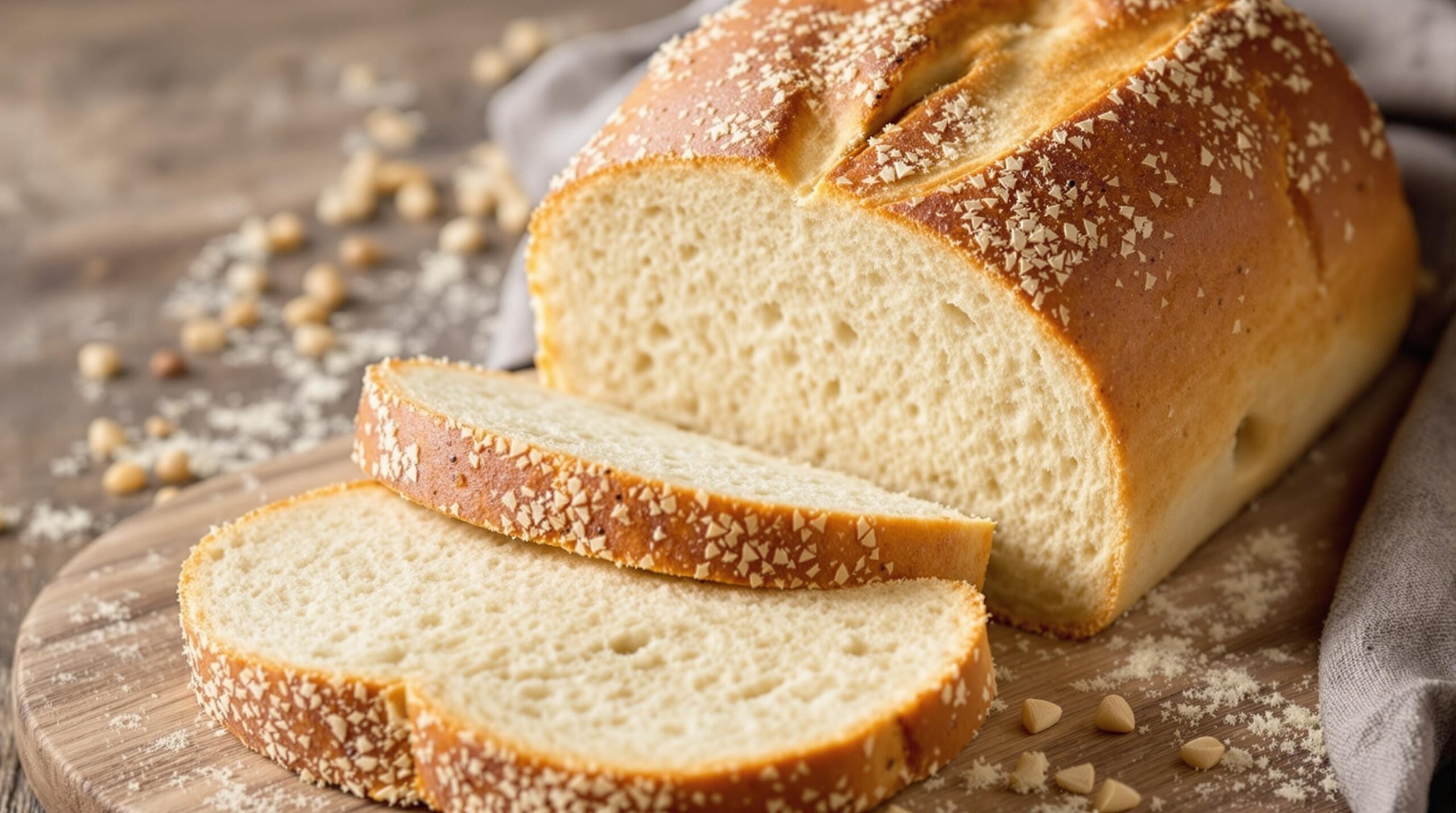
Bread fermentation is essentially a controlled decomposition process where microorganisms—primarily yeasts and bacteria—consume carbohydrates in flour and produce carbon dioxide, ethanol, acids, and flavor compounds. This biological activity is what transforms a dense dough into a light, airy bread with complex flavors that simple mixing can’t achieve.
During fermentation, enzymes break down starches into simpler sugars, which feed the microorganisms. The byproducts of this microbial feast include gas bubbles that get trapped in the gluten network, causing the dough to rise. Meanwhile, acids and alcohols develop, contributing to the bread’s flavor profile and helping preserve the final product.
The length and conditions of fermentation dramatically affect the final bread. Longer fermentation periods generally produce more flavorful bread with better digestibility, as the extended process allows for more complete breakdown of complex carbohydrates and the development of nuanced flavor compounds.
Essential Ingredient #1: Flour – The Foundation

Flour isn’t just a passive ingredient in bread making—it’s the primary substrate for fermentation. Different types of flour contain varying levels of protein (which forms gluten), starch, enzymes, and naturally occurring microorganisms, all of which influence how fermentation proceeds.
Wheat flour is most commonly used for bread because of its gluten-forming proteins: gliadin and glutenin. When hydrated and worked, these proteins create an elastic network that can trap the gases produced during fermentation. Higher protein flours (like bread flour at 12-14% protein) generally create stronger gluten networks that can support longer fermentation times.
Whole grain flours contain the bran and germ of the grain, which provide additional nutrients and enzymes that can accelerate fermentation. However, the sharp edges of bran particles can cut through gluten strands, potentially weakening the dough’s structure. This is why whole grain breads often have a denser texture than those made with refined flour.
Here are some common flour types and their fermentation characteristics:
- Bread flour: High protein content supports extended fermentation
- All-purpose flour: Moderate protein content, versatile for various fermentation times
- Whole wheat flour: Contains more nutrients that speed up fermentation
- Rye flour: Low gluten formation but high enzyme activity leads to unique fermentation patterns
- Ancient grain flours: Often require adaptation of fermentation techniques due to different protein structures
Essential Ingredient #2: Water – The Activator
Water is far from a passive ingredient in bread making—it’s the catalyst that initiates fermentation. When water is added to flour, it hydrates the proteins that eventually form gluten and activates the enzymes that break down starches into the sugars needed by fermenting organisms.
The temperature of water is critically important for controlling fermentation speed. Warmer water (above 80°F/27°C) accelerates yeast activity but may result in less flavor development, while cooler water (below 65°F/18°C) slows fermentation, allowing more time for flavor compounds to develop.
Water quality can also affect fermentation. Highly chlorinated water may inhibit microbial activity, particularly in sourdough starters. Many professional bakers use filtered water or allow tap water to sit overnight so chlorine can dissipate. The mineral content of water (hardness) affects gluten formation and enzyme activity, with moderately hard water generally considered ideal for most bread.
The hydration level—the ratio of water to flour—dramatically impacts fermentation:
- Lower hydration doughs (50-65% water by weight of flour) produce tighter crumbs and slower fermentation
- Medium hydration doughs (65-75%) offer balanced fermentation rates
- Higher hydration doughs (75%+) ferment more quickly and develop more open crumb structures
Essential Ingredient #3: Salt – The Regulator
Salt plays several crucial biochemical roles in bread fermentation beyond simply adding flavor. It’s a natural regulator of fermentation activity, controlling the rate at which yeast consumes sugars and produces gas.
By creating osmotic pressure, salt moderates yeast activity and prevents over-fermentation. Without salt, fermentation proceeds too rapidly, resulting in poor flavor development and potentially collapsed dough. The typical amount used in bread making—about 1.8-2% of flour weight—provides optimal control without completely inhibiting microbial activity.
Salt also strengthens the gluten network by shielding the positive and negative charges on gluten proteins, allowing them to form stronger bonds. This improved structure helps the dough retain carbon dioxide more effectively, leading to better volume and texture in the finished loaf.
Different types of salt can be used in bread making:
- Fine table salt: Dissolves quickly and distributes evenly
- Sea salt: Contains trace minerals that may contribute subtle flavor nuances
- Kosher salt: Larger crystals that need to be accounted for in measurements
The timing of salt addition can affect fermentation. Adding salt directly to yeast can damage the cells through osmotic shock, which is why many recipes call for mixing salt with flour first or adding it after initial hydration.
Essential Ingredient #4: Leavening Agents – The Workforce
Leavening agents are the microbiological engines of bread fermentation. They convert carbohydrates into gas, acids, and flavor compounds that transform dense dough into light, flavorful bread. There are several types of leavening agents, each with unique characteristics.
Commercial Yeast
Commercial yeast (Saccharomyces cerevisiae) is the most common leavening agent in modern bread making. Available in active dry, instant, and fresh forms, it provides reliable, consistent results. Commercial yeast primarily produces carbon dioxide and ethanol but generates fewer flavor compounds than wild cultures.
The predictable nature of commercial yeast makes it ideal for controlled fermentation:
- Instant yeast: Doesn’t require activation and can be mixed directly with flour
- Active dry yeast: Needs rehydration in warm water before use
- Fresh yeast: Highly active but perishable, often preferred by professional bakers
Sourdough Starters
Sourdough starters are complex ecosystems containing wild yeasts and lactic acid bacteria. Unlike commercial yeast, which is a monoculture, sourdough starters contain multiple species working together. The most common are various strains of Saccharomyces, Lactobacillus, and other beneficial bacteria.
This microbial diversity results in more complex fermentation, producing various organic acids (primarily lactic and acetic) that contribute to sourdough’s distinctive tangy flavor. The bacteria also produce antimicrobial compounds that help preserve the bread naturally.
Maintaining a sourdough starter involves regular feeding with flour and water to keep the microorganisms active. The ratio of flour to water, feeding frequency, and storage temperature all influence the microbial balance and subsequent fermentation characteristics.
Other Leavening Methods
While yeast and sourdough are the most common leavening agents, other methods exist:
- Baking soda with acid: Creates immediate gas production but doesn’t contribute to fermentation flavors
- Beer or wine lees: Contain active yeasts that can initiate fermentation
- Spontaneous fermentation: Relying on naturally occurring microorganisms in flour and the environment
Supporting Ingredients for Enhanced Fermentation
Beyond the four essential ingredients, several supporting components can modify fermentation processes and outcomes. These aren’t strictly necessary but can be valuable tools for controlling fermentation and enhancing bread quality.
Sugars and Sweeteners
While flour contains enough natural sugars to sustain fermentation, adding sugar can accelerate initial yeast activity. This is especially helpful in enriched doughs where fats might slow fermentation. Options include:
- Granulated sugar: Provides immediate food for yeast
- Honey: Contains enzymes that can assist in breaking down starches
- Malt extract: Rich in enzymes and fermentable sugars
However, too much sugar can actually slow fermentation through osmotic pressure effects, similar to salt. This is why very sweet doughs often require longer rising times despite their sugar content.
Fats and Oils
Fats coat the protein strands in flour, limiting water absorption and gluten development. This generally slows fermentation but contributes to a more tender final texture. Common fat additions include:
- Butter: Adds flavor while moderating fermentation
- Olive oil: Introduces antioxidants that can affect yeast activity
- Plant-based shortenings: Provide tenderness with neutral flavor
Dairy Products
Milk, yogurt, and other dairy products contain additional sugars, proteins, and fats that influence fermentation. Lactose (milk sugar) ferments more slowly than glucose or fructose, creating a different fermentation timeline. The proteins in milk can strengthen dough structure, while fats moderate fermentation speed.
Cultured dairy products like buttermilk or yogurt introduce additional acids and beneficial bacteria that can work alongside primary leavening agents, creating more complex flavor development during fermentation.
Enzymes and Dough Conditioners
Professional bakers sometimes use specific enzymes to optimize fermentation:
- Amylase: Breaks down starches into simpler sugars that yeast can consume
- Protease: Partially degrades proteins, modifying gluten structure
- Hemicellulase: Improves water absorption and gas retention
These ingredients are particularly common in commercial bread production but are becoming increasingly available to home bakers looking to fine-tune their fermentation processes.
Environmental Factors Affecting Fermentation
While ingredients form the basis of fermentation, environmental conditions dramatically affect how these ingredients interact. Understanding and controlling these factors is essential for consistent results.
Temperature
Temperature is perhaps the most significant environmental variable affecting fermentation rate. Higher temperatures accelerate microbial metabolism, while lower temperatures slow it down. Most bread yeasts work optimally between 75-85°F (24-29°C), while many sourdough cultures prefer slightly cooler temperatures around 70-75°F (21-24°C).
Professional bakers carefully control fermentation temperature, sometimes using specialized proofing cabinets. Home bakers can create similar environments using ovens with the light on, insulated boxes, or simply selecting appropriate spots in their homes based on the season.
Humidity
Humidity affects fermentation by influencing moisture evaporation from the dough surface. Low humidity environments can cause dough to develop a dry skin, limiting expansion and affecting crust formation. High humidity helps maintain surface moisture, allowing for maximum expansion during fermentation.
Covering dough during fermentation helps maintain consistent humidity regardless of ambient conditions. Options range from simple plastic wrap to specialized dough rising containers with humidity control.
Time
The duration of fermentation is a critical factor in bread quality. Longer fermentation times, particularly at cooler temperatures, allow for:
- More complete enzymatic breakdown of complex carbohydrates
- Development of more varied flavor compounds
- Improved digestibility of the final bread
- Enhanced texture through more thorough gluten development
Modern bread making includes techniques like cold fermentation (retarding), where dough is refrigerated for extended periods, slowing yeast activity while allowing enzyme activity and bacterial fermentation to continue, resulting in exceptional flavor development.
Troubleshooting Common Fermentation Issues
Even with the right ingredients, bread fermentation can sometimes go awry. Understanding common problems and their solutions can help bakers adjust their process for better results.
Over-fermentation
Signs of over-fermentation include excessive sourness, a collapsed structure, and an overly loose, sticky texture. This typically occurs when dough ferments too long or at too high a temperature.
Solutions include:
- Reducing fermentation temperature
- Shortening fermentation time
- Increasing salt slightly to slow yeast activity
- Reducing hydration in future batches
Under-fermentation
Under-fermented bread typically has bland flavor, dense texture, and poor volume. This happens when fermentation is cut short or inhibited.
To address this issue:
- Increase fermentation time
- Raise fermentation temperature slightly
- Ensure yeast viability by testing activity before baking
- Consider reducing salt slightly if it’s inhibiting yeast activity
Inconsistent Fermentation
Inconsistent results from batch to batch often stem from variable conditions rather than ingredient issues. Creating a more controlled environment and measuring ingredients by weight rather than volume can significantly improve consistency.
Keeping a baking journal to track conditions, times, temperatures, and results can help identify patterns and refine your approach to achieve more consistent fermentation outcomes.
Frequently Asked Questions
What are the absolute minimum ingredients needed for bread fermentation?
The absolute minimum ingredients needed are flour and water, which can capture wild yeasts and bacteria from the environment. However, for reliable results, the four essential ingredients are flour, water, salt, and a leavening agent (yeast or sourdough starter).
Can I make bread without commercial yeast?
Yes, you can make bread without commercial yeast by using a sourdough starter, which captures wild yeasts and beneficial bacteria. Creating a starter takes about 5-7 days of regular feeding with flour and water until it becomes active enough to leaven bread.
How does salt affect bread fermentation?
Salt regulates fermentation by creating osmotic pressure that moderates yeast activity, preventing over-fermentation. It also strengthens the gluten network, enhances flavor, and helps preserve the finished bread. The typical amount used is 1.8-2% of flour weight.
Why is my dough not rising during fermentation?
Dough may not rise for several reasons: inactive or old yeast, water that’s too hot (killing yeast) or too cold (slowing activity), too much salt inhibiting yeast, or insufficient gluten development to trap gases. Check your yeast viability and ensure your environment is warm enough (75-85°F is ideal).
Can I substitute different types of flour during fermentation?
Yes, but different flours ferment at different rates due to varying protein, enzyme, and nutrient content. Whole grain flours typically ferment faster than refined flours. When substituting, you may need to adjust hydration levels and fermentation times to compensate for these differences.
 Persian
  English
  Spanish
  Russian
  French
  Arabic