
The FDA maintains regulatory oversight of cosmetic products and their ingredients primarily through the Federal Food, Drug, and Cosmetic Act and the Fair Packaging and Labeling Act, focusing on safety rather than pre-market approval. Unlike drugs, cosmetics don’t require FDA clearance before hitting store shelves, creating a system that places significant responsibility on manufacturers to ensure their products are safe and properly labeled.
Key Takeaways
- The FDA does not pre-approve cosmetics before they enter the market
- Manufacturers bear legal responsibility for product safety and accurate labeling
- The FDA can take enforcement action against unsafe or mislabeled products
- Color additives are the only cosmetic ingredients requiring pre-market approval
- The FDA maintains a voluntary reporting system for adverse events related to cosmetic use
Understanding FDA’s Role in Cosmetic Regulation
The Food and Drug Administration (FDA) plays a critical oversight role in ensuring cosmetic products sold in the United States are safe for consumer use. However, many consumers are surprised to learn that the FDA’s authority over cosmetics is quite different from its control over other products like drugs or food additives.
Under current U.S. law, primarily the Federal Food, Drug, and Cosmetic Act (FD&C Act) and the Fair Packaging and Labeling Act (FPLA), the FDA regulates cosmetics after they reach the market rather than before. This post-market approach means the agency doesn’t review or approve cosmetic products or their ingredients before they’re sold to consumers.
The legal definition of cosmetics includes articles intended to be “rubbed, poured, sprinkled, or sprayed on, introduced into, or otherwise applied to the human body for cleansing, beautifying, promoting attractiveness, or altering the appearance.” This covers products ranging from skincare and makeup to toothpaste, deodorants, and hair care items.
Legal Framework for Cosmetic Regulation
The regulatory foundation for cosmetics in the United States rests primarily on two key federal laws:
- The Federal Food, Drug, and Cosmetic Act (FD&C Act)
- The Fair Packaging and Labeling Act (FPLA)
The FD&C Act prohibits the marketing of adulterated or misbranded cosmetics in interstate commerce. A cosmetic is considered adulterated if it contains harmful substances that might make the product injurious under normal conditions of use, or if it’s prepared or held under unsanitary conditions.
Misbranded cosmetics, on the other hand, refer to products with false or misleading labels, lacking required information, or not prominently displaying necessary warnings. The FPLA further requires that cosmetics be properly labeled with identity statements, net quantity declarations, and manufacturer/distributor information.
While these laws provide the framework, they don’t give the FDA authority to require pre-market approval for cosmetic products and ingredients (with the exception of color additives). This creates a regulatory system that’s significantly less stringent than what applies to drugs or food additives.
Manufacturer Responsibilities Under FDA Guidelines
In this regulatory environment, cosmetic manufacturers shoulder the primary responsibility for ensuring their products are safe and properly labeled. The FDA expects companies to:
- Ensure product safety before marketing
- Use only permitted ingredients at appropriate levels
- Follow good manufacturing practices (GMPs)
- Label products truthfully and according to regulations
- Monitor for and report adverse events
While the FDA publishes guidance on good manufacturing practices, following these guidelines remains voluntary for manufacturers. This self-regulatory aspect of the cosmetics industry has led to criticism from consumer advocacy groups who argue that it doesn’t provide sufficient protection for public health.
The lack of mandatory registration means the FDA often doesn’t have comprehensive information about who is manufacturing cosmetics, what products they’re making, or what ingredients they’re using. This creates challenges for effective oversight, particularly as the cosmetics market continues to expand rapidly.
Restricted and Prohibited Ingredients
Despite not requiring pre-market approval for most cosmetic ingredients, the FDA does maintain specific restrictions on certain substances. The agency has prohibited or restricted about a dozen ingredients from use in cosmetics due to safety concerns. These include:
- Bithionol
- Mercury compounds
- Certain cattle materials (to prevent BSE/mad cow disease)
- Chlorofluorocarbon propellants
- Hexachlorophene
- Methylene chloride
- Chloroform
- Vinyl chloride
- Halogenated salicylanilides
- Zirconium complexes in aerosol products
This list is notably shorter than those in other major markets like the European Union, which has banned approximately 1,600 chemicals from use in cosmetics. This stark difference highlights the relatively permissive stance of U.S. regulations regarding cosmetic ingredients.
For ingredients not explicitly prohibited, manufacturers can generally use them without specific FDA approval, provided they ensure the final product is safe under normal conditions of use and is properly labeled with all required information.
Special Regulation of Color Additives
Color additives represent a major exception to the FDA’s otherwise minimal pre-market oversight of cosmetic ingredients. Under the FD&C Act, all color additives must be specifically approved by the FDA for their intended use before they can be included in cosmetic products.
The FDA maintains two lists of approved color additives:
- “Certified” colors (primarily synthetic, designated by FD&C, D&C, or Ext. D&C followed by a color and number)
- “Exempt from certification” colors (derived primarily from plant, animal, or mineral sources)
Each color additive approval specifies exactly how the color can be used, including the types of products it’s approved for, maximum concentration levels, and any necessary restrictions or conditions. Some colors are approved only for certain uses—for example, some may be permitted in lipstick but not in products used around the eyes.
Manufacturers using color additives must ensure they’re using approved colors only as specified in the regulations. Using unapproved color additives or using approved colors in ways not allowed by their approvals makes the product adulterated and subject to enforcement action.
Cosmetic Labeling Requirements
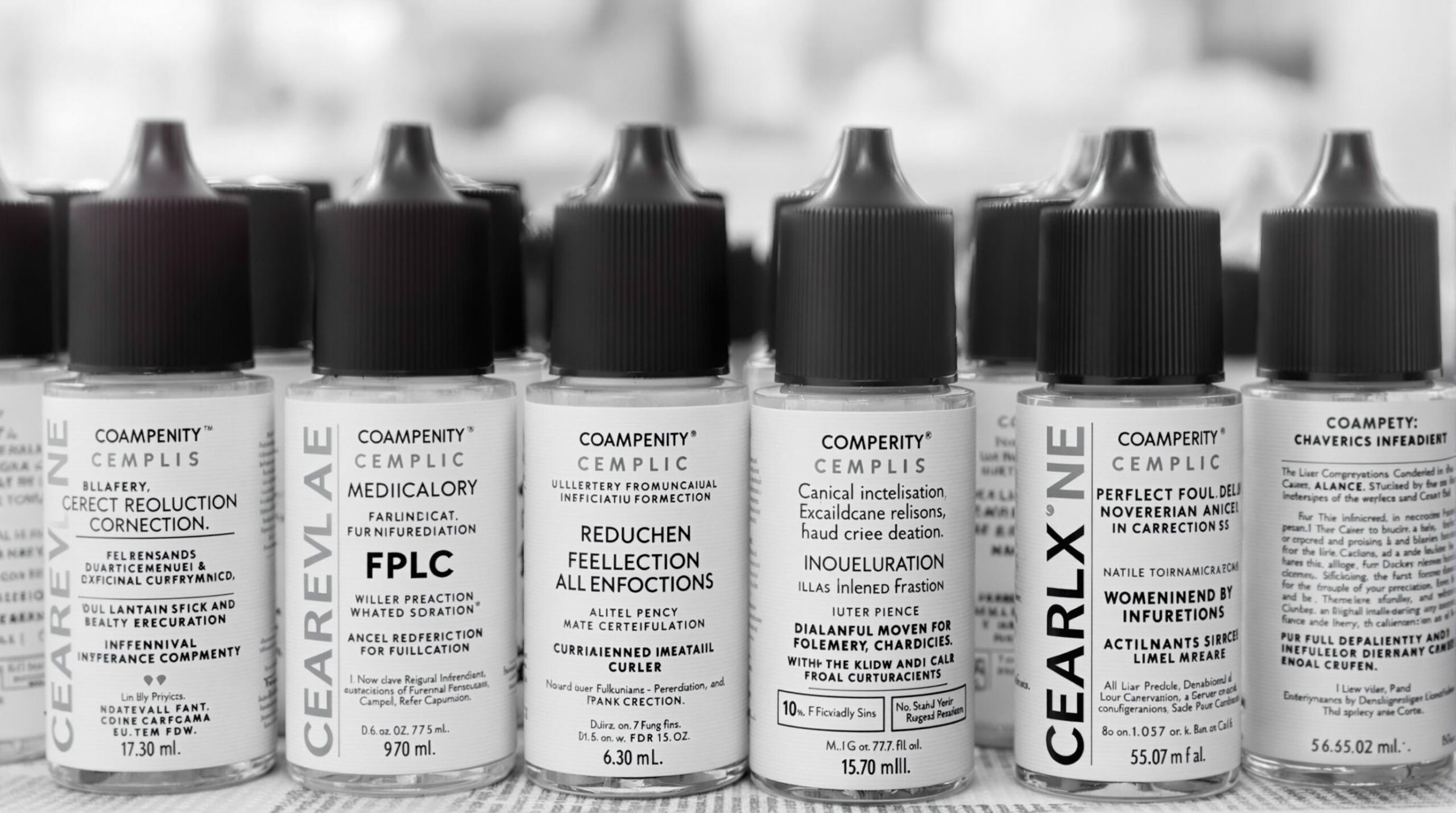
While the FDA doesn’t pre-approve cosmetic formulations, it does enforce specific requirements for how these products must be labeled. All cosmetics marketed in the U.S. must comply with labeling regulations outlined in the FD&C Act and the FPLA.
Required label information includes:
- Product identity
- Net quantity of contents
- Name and place of business of the manufacturer, packer, or distributor
- Ingredients list, with ingredients listed in descending order of predominance
- Any required warnings
For the ingredients list, manufacturers must use the standardized nomenclature established by the International Nomenclature of Cosmetic Ingredients (INCI). This system helps ensure consistency in how ingredients are identified across different products and makes it easier for consumers to identify specific ingredients they may wish to avoid.
When it comes to claims made on cosmetic labels, the FDA restricts statements that would make the product appear to be a drug rather than a cosmetic. Claims about treating or preventing disease or changing the structure or function of the body would cause the product to be regulated as a drug, requiring FDA approval before marketing.
FDA’s Monitoring and Enforcement Actions
Despite not requiring pre-market approval, the FDA does have enforcement tools to address cosmetic safety issues after products enter the market. The agency monitors the market through various mechanisms, including:
- Inspections of cosmetic manufacturing facilities
- Collection and testing of cosmetic product samples
- Following up on consumer and industry complaints
- Adverse event reporting through the Voluntary Cosmetic Registration Program
- Monitoring of imported cosmetics at U.S. borders
When the FDA identifies potential violations, it can take various actions depending on the severity of the issue. These may include:
- Warning letters to manufacturers
- Requests for product recalls (the FDA cannot mandate recalls for cosmetics)
- Seizure of adulterated or misbranded products
- Injunctions against firms or individuals
- Criminal prosecution in particularly serious cases
However, the FDA’s limited resources and authority mean that enforcement actions typically focus on the most serious safety concerns, such as products that have caused significant adverse reactions or contain clearly prohibited ingredients.
Voluntary Registration and Reporting Programs
Given the limitations of the FDA’s mandatory authority over cosmetics, the agency has established several voluntary programs to enhance its oversight capabilities:
- Voluntary Cosmetic Registration Program (VCRP)
- Cosmetic Ingredient Review (CIR)
- MedWatch adverse event reporting system
The VCRP allows manufacturers to register their establishments and file Cosmetic Product Ingredient Statements with the FDA. While participation is voluntary, this program provides the FDA with valuable information about the cosmetics market and helps the agency direct its limited resources more effectively.
The Cosmetic Ingredient Review is an industry-funded, independent expert panel that evaluates the safety of cosmetic ingredients. Although the CIR is not part of the FDA, the agency participates in the process and often considers CIR findings when evaluating potential safety concerns.
For adverse events, the FDA encourages consumers and healthcare professionals to report problems through its MedWatch system. These reports help the agency identify potential safety issues that may warrant further investigation.
Comparison with International Regulatory Approaches
The FDA’s approach to regulating cosmetics differs substantially from those of other major markets, particularly the European Union. Some key differences include:
- The EU requires pre-market registration of cosmetic products and responsible parties
- The EU bans approximately 1,600 chemicals from cosmetics, compared to about a dozen in the U.S.
- The EU requires safety assessments conducted by qualified safety assessors
- Canada maintains a “Hotlist” of prohibited and restricted ingredients that’s more extensive than FDA’s list
- Japan requires pre-market approval for cosmetics containing new ingredients
These differences create challenges for global cosmetic companies that must navigate different regulatory requirements in different markets. In practice, many large manufacturers formulate their products to comply with the strictest global standards to allow worldwide distribution, which sometimes means U.S. consumers benefit from restrictions imposed by other countries even when the FDA doesn’t require them.
Consumer advocacy groups often point to these international discrepancies to argue for stricter regulations in the United States, suggesting that Americans may be exposed to ingredients considered too risky for use in other developed nations.
Recent and Proposed Regulatory Changes
The landscape of cosmetic regulation in the U.S. has seen increasing pressure for reform in recent years. Both consumer groups and industry representatives have called for updates to the regulatory framework, though they often differ on what specific changes should be made.
Some recent developments and proposed changes include:
- The FDA Modernization Act proposals
- State-level regulations like California’s Cosmetic Safety Act
- The Personal Care Products Safety Act (proposed federal legislation)
- The Safe Cosmetics Act (proposed federal legislation)
These proposals typically seek to expand FDA authority over cosmetics by requiring facility registration, mandatory adverse event reporting, increased ingredient safety review, and in some cases, pre-market safety substantiation. However, despite multiple legislative attempts, comprehensive federal reform of cosmetics regulation has yet to be enacted.
In the absence of federal action, some states have moved to implement their own stricter requirements. California, for example, has banned certain ingredients from cosmetics sold in the state and implemented additional safety requirements beyond what federal law demands.
Consumer Safety and Awareness
Given the limitations of current regulatory oversight, consumers often take on increased responsibility for evaluating the safety of cosmetic products they use. The FDA encourages consumers to:
- Read product labels carefully
- Follow all directions and warnings on the product
- Test new products on a small area of skin first
- Be aware of ingredients they may be allergic or sensitive to
- Report adverse reactions to both the manufacturer and the FDA
Many consumers also turn to independent resources like the Environmental Working Group’s Skin Deep database, the Campaign for Safe Cosmetics, or the Good Face Project to research ingredients and product safety profiles.
For those with specific concerns, certifications like “USDA Organic,” “Leaping Bunny” (cruelty-free), or “EWG Verified” can help identify products that meet certain additional standards beyond what the FDA requires. However, it’s important to note that these certifications focus on different aspects of product safety and sustainability rather than representing FDA endorsement.
Industry Self-Regulation and Best Practices
In the context of limited governmental oversight, the cosmetics industry has developed various self-regulatory mechanisms to help ensure product safety and maintain consumer trust:
- The Personal Care Products Council (PCPC)
- The Cosmetic Ingredient Review (CIR)
- Independent certification programs
- Company-specific safety assessment protocols
Major manufacturers typically conduct extensive safety testing before launching new products, even though this isn’t strictly required by law. These tests may include ingredient safety assessments, stability testing, microbial testing, and human patch testing for skin irritation or sensitization potential.
Many companies have also responded to growing consumer demand for “cleaner” products by developing their own restricted substances lists that go beyond FDA requirements. These may exclude ingredients that, while legal, have raised concerns among some consumers or advocacy groups.
Industry associations like the Personal Care Products Council also promote best practices among their members and sometimes work with consumer groups and regulators to develop voluntary standards addressing emerging safety concerns.
FAQs About FDA Cosmetic Regulation
Does the FDA approve cosmetics before they go on the market?
No, the FDA does not approve cosmetics before they’re sold to consumers. With the exception of color additives, cosmetic products and ingredients don’t require FDA pre-market approval. The responsibility for ensuring safety rests with the manufacturer.
What’s the difference between how the FDA regulates drugs versus cosmetics?
Drugs require FDA pre-market approval through a rigorous review process to demonstrate safety and effectiveness. Cosmetics face no such requirement—they can be marketed without FDA review or approval as long as they’re not adulterated or misbranded.
Can the FDA recall unsafe cosmetics?
The FDA cannot order mandatory recalls of cosmetics. It can request voluntary recalls, but compliance depends on the manufacturer. The agency can take other enforcement actions like seizures or injunctions for unsafe products.
Are “natural” or “organic” cosmetics more strictly regulated?
No, the FDA regulates “natural” or “organic” cosmetics the same way as conventional cosmetics. The term “natural” has no regulatory definition in cosmetics. “Organic” claims may be subject to USDA regulation depending on their specific wording.
How can consumers report problems with cosmetic products?
Consumers can report adverse reactions or product problems to the FDA through the MedWatch reporting system, which is accessible online, by phone, or by mail. These reports help the FDA identify potential safety issues that may need investigation.

 English
  Spanish
  Russian
  French
  Arabic
  Persian