
The rise of natural ingredients in cosmetics reflects a growing consumer demand for safer, gentler products that align with environmental sustainability. Research indicates that naturally derived substances often provide comparable or superior benefits to synthetic alternatives while reducing the risk of irritation and long-term health concerns.
Key Takeaways
- Fewer adverse reactions occur with natural cosmetics, making them ideal for sensitive skin types
- Natural ingredients support sustainable sourcing practices and reduced environmental impact
- Many plant-based compounds offer multiple benefits simultaneously, functioning as antioxidants, anti-inflammatories, and moisturizers
- Natural cosmetics typically exclude harmful preservatives like parabens and phthalates
- These products often contain higher concentrations of active ingredients with therapeutic properties
Understanding Natural Cosmetics
Natural cosmetics refers to beauty products formulated with ingredients sourced from nature rather than created synthetically in laboratories. These ingredients typically come from plants, minerals, and some animal derivatives. The distinction between natural and conventional cosmetics lies primarily in the origin of their ingredients and their processing methods.
The demand for natural beauty products has surged in recent years as consumers become more conscious about what they apply to their skin. This shift reflects broader concerns about health, sustainability, and ethical consumption. Natural cosmetics generally contain minimal artificial preservatives, fragrances, colors, and other synthetic chemicals that may cause skin irritation or have potential long-term health effects.
It’s important to note that “natural” doesn’t have a standardized regulatory definition in the cosmetics industry. Different brands may use different criteria to classify their products as natural. Some products may contain a mix of natural and synthetic ingredients while still marketing themselves as “natural” if they include some plant-based components.
Skin Benefits of Natural Ingredients
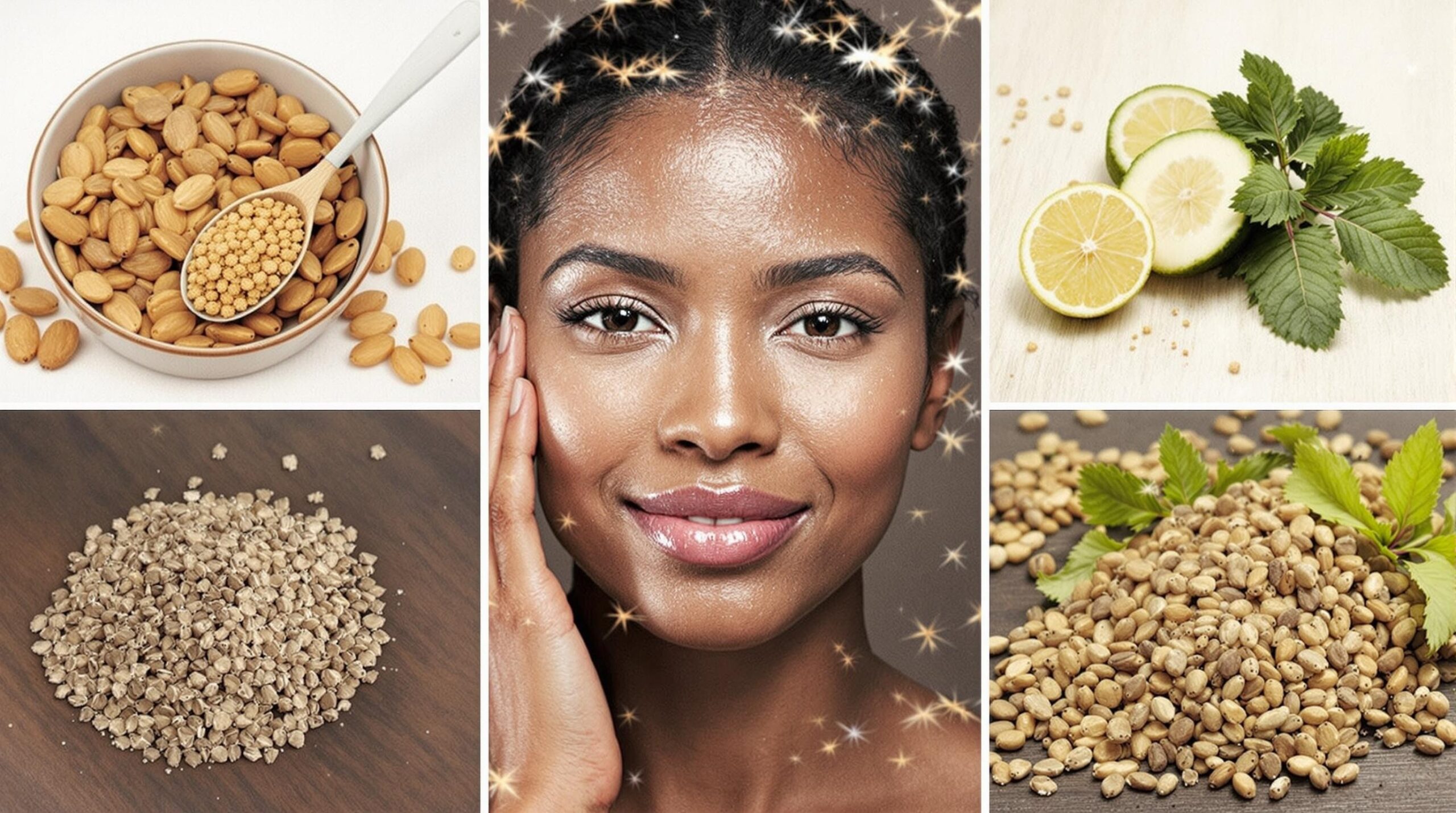
Natural ingredients often provide gentle yet effective skincare benefits without the harsh side effects associated with some synthetic compounds. Plant-based substances contain complex combinations of vitamins, minerals, antioxidants, and other bioactive compounds that work in harmony with the skin’s natural processes.
Many individuals with sensitive or reactive skin find that natural cosmetics cause fewer adverse reactions. This reduced irritation potential makes natural ingredients particularly valuable for those with conditions like rosacea, eczema, or general skin sensitivity. Natural ingredients like aloe vera, chamomile, and calendula are renowned for their soothing properties and ability to calm inflammation.
The moisturizing capabilities of natural oils and butters often surpass those of synthetic alternatives. Ingredients like shea butter, coconut oil, and jojoba oil closely resemble the skin’s natural lipids, allowing them to integrate seamlessly with the skin barrier and provide lasting hydration without clogging pores.
Here are some natural ingredients with exceptional skin benefits:
- Rosehip oil – Rich in essential fatty acids and vitamins A and C for skin regeneration
- Green tea extract – Powerful antioxidant that combats premature aging
- Honey – Natural antibacterial properties that help with acne while moisturizing
- Aloe vera – Soothes irritation and supports wound healing
- Shea butter – Deep moisturization for dry or mature skin
Antioxidant Protection
One of the most significant advantages of natural cosmetics is their abundant antioxidant content. Plants produce antioxidant compounds as protective mechanisms against environmental stress, and these same compounds can protect human skin from oxidative damage.
Free radicals, which are unstable molecules generated by UV exposure, pollution, and normal metabolic processes, contribute to premature skin aging. They damage collagen and elastin, leading to wrinkles, fine lines, and loss of firmness. Natural ingredients like green tea, pomegranate, and vitamin C from plant sources neutralize these free radicals, preventing cellular damage.
Many botanical extracts contain not just one but multiple antioxidant compounds that work synergistically. For example, rosemary extract contains carnosic acid, carnosol, and rosmarinic acid, which together provide more comprehensive protection than a single isolated antioxidant might offer.
The regular application of antioxidant-rich natural cosmetics can help:
- Reduce visible signs of aging
- Prevent sun damage (though not replace sunscreen)
- Improve skin texture and tone
- Support the skin’s natural repair processes
- Maintain overall skin health and resilience
Reduced Exposure to Harmful Chemicals
Conventional cosmetics often contain potentially harmful ingredients that natural products typically avoid. These include parabens (preservatives linked to hormonal disruption), phthalates (plasticizers associated with reproductive issues), synthetic fragrances (common allergens), and formaldehyde-releasing preservatives (possible carcinogens).
The skin, as our largest organ, can absorb many compounds applied to it. While regulatory bodies set limits for individual ingredients, less is known about the cumulative and long-term effects of regular exposure to multiple synthetic chemicals. Natural cosmetics reduce this chemical burden by relying on plant-based alternatives.
Synthetic fragrances, which may contain hundreds of undisclosed chemicals under the single term “fragrance” or “parfum,” are among the most common irritants in conventional cosmetics. Natural products typically use essential oils or plant extracts for scent, providing transparency about what’s touching your skin.
Common problematic ingredients avoided in natural cosmetics include:
- Parabens (methylparaben, propylparaben)
- Sodium lauryl sulfate (SLS) and sodium laureth sulfate (SLES)
- Synthetic colors (FD&C or D&C followed by a color and number)
- Triclosan
- Mineral oil and petroleum derivatives
Environmental Benefits
The environmental advantages of natural cosmetics extend beyond personal health considerations. Conventional cosmetic ingredients often involve petrochemical derivatives and synthetic processes that generate significant pollution. Natural ingredients generally have a lower environmental footprint during production.
Many brands that focus on natural ingredients also emphasize sustainable sourcing practices, including organic farming methods that avoid pesticides and herbicides. These practices protect biodiversity, soil health, and water systems. Some companies also engage in fair trade relationships with ingredient suppliers, supporting ethical labor practices and economic development in source communities.
The biodegradability of natural ingredients means they break down more readily when washed down the drain, reducing water pollution. Ingredients like microplastics, silicones, and some preservatives in conventional cosmetics can persist in the environment for years, accumulating in waterways and wildlife.
Environmental benefits of choosing natural cosmetics include:
- Reduced chemical runoff into waterways
- Support for sustainable agricultural practices
- Lower carbon footprint in many cases
- Less reliance on petrochemical resources
- Potential for compostable or recyclable packaging (with eco-conscious brands)
Therapeutic Properties
Natural ingredients often possess inherent therapeutic qualities that synthetic alternatives may lack. Many plant extracts have been used in traditional medicine systems for centuries, with their benefits now being validated by modern scientific research.
For instance, tea tree oil has powerful antimicrobial properties, making it effective against acne-causing bacteria. Chamomile contains compounds like bisabolol and apigenin that reduce inflammation and promote healing. These natural actives often address multiple skin concerns simultaneously, providing holistic benefits rather than targeting isolated symptoms.
Many plant oils contain essential fatty acids that not only moisturize but also support the skin’s lipid barrier function, improving its ability to retain moisture and resist environmental stressors. Ingredients like argan oil, sea buckthorn oil, and evening primrose oil deliver these beneficial lipids in forms the skin can readily utilize.
Natural ingredients with impressive therapeutic benefits include:
- Calendula – Promotes wound healing and reduces inflammation
- Turmeric – Contains curcumin, a powerful anti-inflammatory compound
- Licorice root – Helps reduce hyperpigmentation and soothes irritation
- Centella asiatica (gotu kola) – Stimulates collagen production and supports skin healing
- Neem – Natural antibacterial and antifungal properties
Compatibility with Skin Biology
Natural ingredients often have molecular structures that closely resemble the skin’s own components, allowing for better integration and biocompatibility. This structural similarity can result in enhanced effectiveness and fewer adverse reactions.
Plant oils containing beneficial lipids have compositions similar to the skin’s natural sebum. Jojoba oil, for example, is technically a liquid wax ester that mimics human sebum, making it exceptionally compatible with all skin types. Similarly, ceramides derived from plants help restore the skin’s natural barrier in ways that synthetic alternatives may not.
The complex nature of botanical extracts means they deliver not just one active compound but a symphony of complementary constituents. This complexity often provides more balanced effects than isolated synthetic ingredients, which may be more prone to causing irritation or other side effects when used at high concentrations.
Examples of nature-derived ingredients with exceptional compatibility:
- Squalane (from olive oil) – Matches skin’s natural moisture
- Hyaluronic acid (from bacterial fermentation) – Naturally present in skin
- Plant-derived glycerin – Attracts water similar to the skin’s natural moisturizing factors
- Rice water – Contains compounds that strengthen the skin barrier
- Oat extract – Contains compounds that calm irritation and strengthen skin
Ethical Considerations
The shift toward natural ingredients in cosmetics often reflects ethical consumer choices regarding animal testing and animal-derived ingredients. Many natural cosmetic brands emphasize cruelty-free practices and avoid animal testing, aligning with growing consumer concern for animal welfare.
While some natural cosmetics may contain ethically sourced animal products like beeswax or lanolin, many brands offer vegan alternatives derived entirely from plants. This provides options for consumers who wish to avoid animal products altogether while still enjoying the benefits of natural ingredients.
The transparent sourcing often associated with natural cosmetic brands allows consumers to make informed choices about the ethical implications of their purchases. Many companies provide information about where and how their ingredients are harvested, enabling consumers to support fair trade practices and sustainable wild-harvesting methods.
Ethical aspects to consider when choosing natural cosmetics:
- Cruelty-free certification (e.g., Leaping Bunny, PETA)
- Vegan formulations (for those avoiding animal products)
- Fair trade ingredients that support ethical labor practices
- Sustainably wild-harvested botanicals that preserve natural ecosystems
- Support for ingredient producers and their communities
Challenges and Considerations
Despite their many benefits, natural cosmetics come with certain practical limitations. Natural preservatives, while safer, may not provide the same shelf life as synthetic alternatives. This can result in products that expire more quickly or require refrigeration, which some consumers may find inconvenient.
Natural ingredients can vary in potency and composition based on growing conditions, harvest time, and extraction methods. This natural variation sometimes makes it challenging to maintain consistent product performance across different batches, unlike synthetic ingredients that offer precise standardization.
Allergic reactions remain possible even with natural ingredients. In fact, some of the most common allergens are natural substances like certain essential oils, plant proteins, or botanical extracts. Patch testing remains important even when using products marketed as natural or gentle.
Important considerations when using natural cosmetics:
- Pay attention to expiration dates and proper storage requirements
- Be aware that natural doesn’t automatically mean hypoallergenic
- Understand that results might take longer compared to synthetic actives
- Recognize that higher quality natural ingredients often come with higher price points
- Look for proper certification if organic or other specific claims are important to you
How to Choose Quality Natural Cosmetics

When selecting natural cosmetics, ingredient transparency should be a priority. Look for brands that clearly list all ingredients and explain their sources and functions. Avoid products with vague terms like “fragrance” without specification, as these can hide dozens of undisclosed chemicals.
Third-party certifications provide assurance about a product’s natural claims. Standards like COSMOS, NATRUE, EWG Verified, or the USDA Organic seal indicate that products meet specific criteria regarding ingredient sourcing, processing methods, and overall formulation.
The concentration and quality of natural ingredients matter significantly. Position on the ingredient list indicates quantity – ingredients are listed in descending order by amount. Look for key natural actives near the beginning of the list rather than at the end, where they may be present in only trace amounts for marketing purposes.
Tips for identifying high-quality natural cosmetics:
- Check for meaningful certifications from recognized organizations
- Look beyond front-label claims to the complete ingredient list
- Research the brand’s philosophy and commitment to transparency
- Consider the packaging – eco-friendly options often reflect broader ethical commitments
- Start with simpler formulations with fewer ingredients if you have sensitive skin
Popular Natural Ingredients and Their Benefits
The world of natural cosmetics features a diverse array of plant-based powerhouses with clinically substantiated benefits. Botanical oils like argan, jojoba, and rosehip deliver essential fatty acids and vitamins that nourish the skin barrier while providing natural antioxidant protection against environmental damage.
Herbal extracts offer concentrated bioactive compounds with therapeutic properties. Green tea extract contains catechins with potent antioxidant and anti-inflammatory effects. Chamomile soothes irritation and redness, while calendula accelerates healing and reduces inflammation.
Natural humectants and moisturizers like aloe vera, honey, and vegetable glycerin attract and retain water in the skin. These ingredients provide hydration without the potential irritation associated with synthetic alternatives. Similarly, plant butters like shea and cocoa butter create protective physical barriers that prevent moisture loss.
Essential oils, while powerful, require careful consideration. These concentrated plant extracts offer therapeutic benefits but can cause sensitivity in some individuals. Lavender oil has gentle calming properties, while tea tree oil provides natural antimicrobial effects beneficial for acne-prone skin.
Natural exfoliants from fruit enzymes (papaya, pineapple) or physical particles (ground oats, rice powder) provide gentle cell turnover without the environmental impact of plastic microbeads or the potential irritation of harsh chemical exfoliants.
Frequently Asked Questions
Are natural cosmetics better for sensitive skin?
Natural cosmetics often work better for sensitive skin as they typically contain fewer irritants and allergens. However, natural doesn’t automatically mean hypoallergenic. Plant extracts and essential oils can still cause reactions in some individuals. Look for products specifically formulated for sensitive skin with minimal ingredients.
Do natural ingredients work as well as synthetic ones?
Many natural ingredients have been scientifically proven to be as effective as their synthetic counterparts. In some cases, they may work more harmoniously with the skin due to their complex composition. The effectiveness depends on the specific ingredient, its concentration, formulation quality, and the concern being addressed.
Are all “natural” branded products truly natural?
Unfortunately, no. The term “natural” isn’t strictly regulated in cosmetics, allowing some companies to use it even when their products contain minimal natural ingredients. Check ingredient lists and look for third-party certifications like COSMOS or NATRUE to ensure authentic natural formulations.
Do natural cosmetics have a shorter shelf life?
Generally, yes. Natural preservatives typically don’t provide the same extended shelf life as synthetic options. Many natural products last 6-12 months once opened, compared to 24-36 months for conventional products. Look for packaging that minimizes contamination, like airless pumps, and always check expiration dates.
Why do natural cosmetics sometimes cost more?
Higher-quality natural ingredients often cost more to source sustainably and ethically. Small-batch production, organic certification, and more labor-intensive extraction methods also contribute to higher prices. Additionally, natural preservatives may be more expensive than synthetic alternatives, further increasing production costs.
 Russian
  English
  Spanish
  French
  Arabic
  Persian