
Dry skin is a common skinment concern that can lead to discomfort, flaking, and irritation if not properly addressed. The right moisturizing ingredients can make all the difference in repairing and maintaining your skin’s moisture barrier, giving you relief from dryness and restoring that healthy, hydrated glow.
Key Takeaways
- Hyaluronic acid can hold up to 1000 times its weight in water, making it excellent for deep hydration
- Natural ceramides help repair and strengthen your skin barrier to prevent moisture loss
- Plant oils like jojoba and squalane closely mimic your skin’s natural oils for effective moisturization
- Glycerin draws moisture from the air into your skin through its humectant properties
- Adding oatmeal to your routine can soothe irritated dry skin while boosting moisture retention
Understanding Dry Skin: Causes and Symptoms
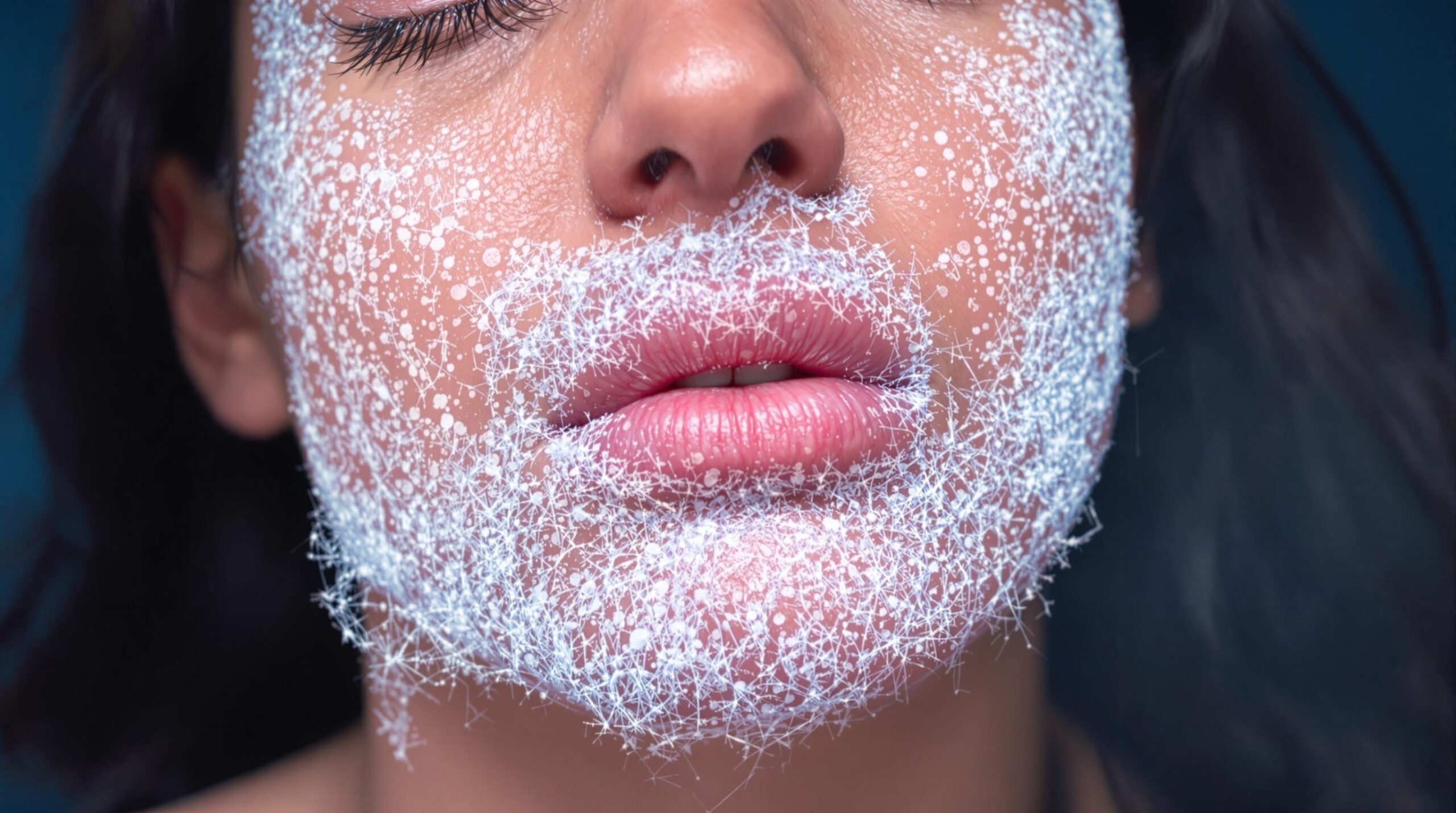
Dry skin (xerosis) occurs when your skin lacks the necessary moisture and oils to maintain its natural barrier function. While some people have naturally dry skin types, environmental factors, aging, and certain medical conditions can significantly worsen the condition. Key factors that contribute to dry skin include low humidity, harsh soaps, hot showers, cold weather, and indoor heating.
The symptoms of dry skin are often uncomfortable and sometimes painful. These can include rough texture, flaking or peeling, tightness (especially after washing), itchiness, cracks that may bleed, and redness or inflammation. Your skin might feel rough to the touch and look dull rather than having a healthy glow. Understanding the causes behind your dry skin can help you choose ingredients that specifically target these issues.
Hydrating Heroes: Humectants
Humectants are ingredients that attract water molecules, drawing moisture from the air into the skin. These water-attracting compounds are essential for deeply hydrating dry skin. Here are the most effective humectant ingredients to look for in your skincare products:
Hyaluronic acid stands out as perhaps the most powerful humectant available. This naturally occurring substance in our skin can hold up to 1000 times its weight in water. As we age, our natural hyaluronic acid levels decline, making supplementation through skincare particularly beneficial. Products with different molecular weights of hyaluronic acid can provide hydration at various skin depths.
Glycerin is another excellent humectant that helps maintain skin hydration by drawing moisture from the air. This simple but effective ingredient creates a protective layer that prevents water loss while simultaneously attracting moisture. Its gentle nature makes it suitable for even the most sensitive skin types.
Other notable humectants include honey, which offers natural humectant properties along with antibacterial benefits, and aloe vera, which provides cooling relief while delivering moisture deep into the skin. Panthenol (vitamin B5) is also worth mentioning as it helps convert water into moisture retention while soothing irritation.
Barrier Repair: Ceramides and Fatty Acids
Dry skin often indicates a compromised skin barrier. The barrier function of your skin depends heavily on lipid content and structure. Ceramides and fatty acids help rebuild this essential protective layer, preventing moisture from escaping and irritants from entering.
Ceramides are lipid molecules that make up about 50% of the skin’s outer layer. They act as the “cement” that holds skin cells together, forming a water-resistant barrier. When your skin lacks ceramides, moisture easily escapes, leading to dryness and irritation. Products containing synthetic or natural ceramides can help restore this critical barrier function. Look for products listing ceramide NP, ceramide AP, ceramide EOP, phytosphingosine, or sphingosine on their ingredients list.
Essential fatty acids, particularly omega-3 and omega-6, are crucial for maintaining skin moisture and elasticity. These cannot be produced by the body and must be supplied through diet or topical application. Fatty acids help form the lipid layer that prevents transepidermal water loss (TEWL). Sources include plant oils like evening primrose oil, borage oil, and rosehip oil, which are rich in linoleic acid that helps strengthen the skin barrier.
Cholesterol is another vital component of the skin barrier that works synergistically with ceramides and fatty acids. Products containing all three (ceramides, fatty acids, and cholesterol) in a balanced ratio often provide the most effective barrier repair for severely dry skin.
Nature’s Moisturizers: Plant Oils and Butters
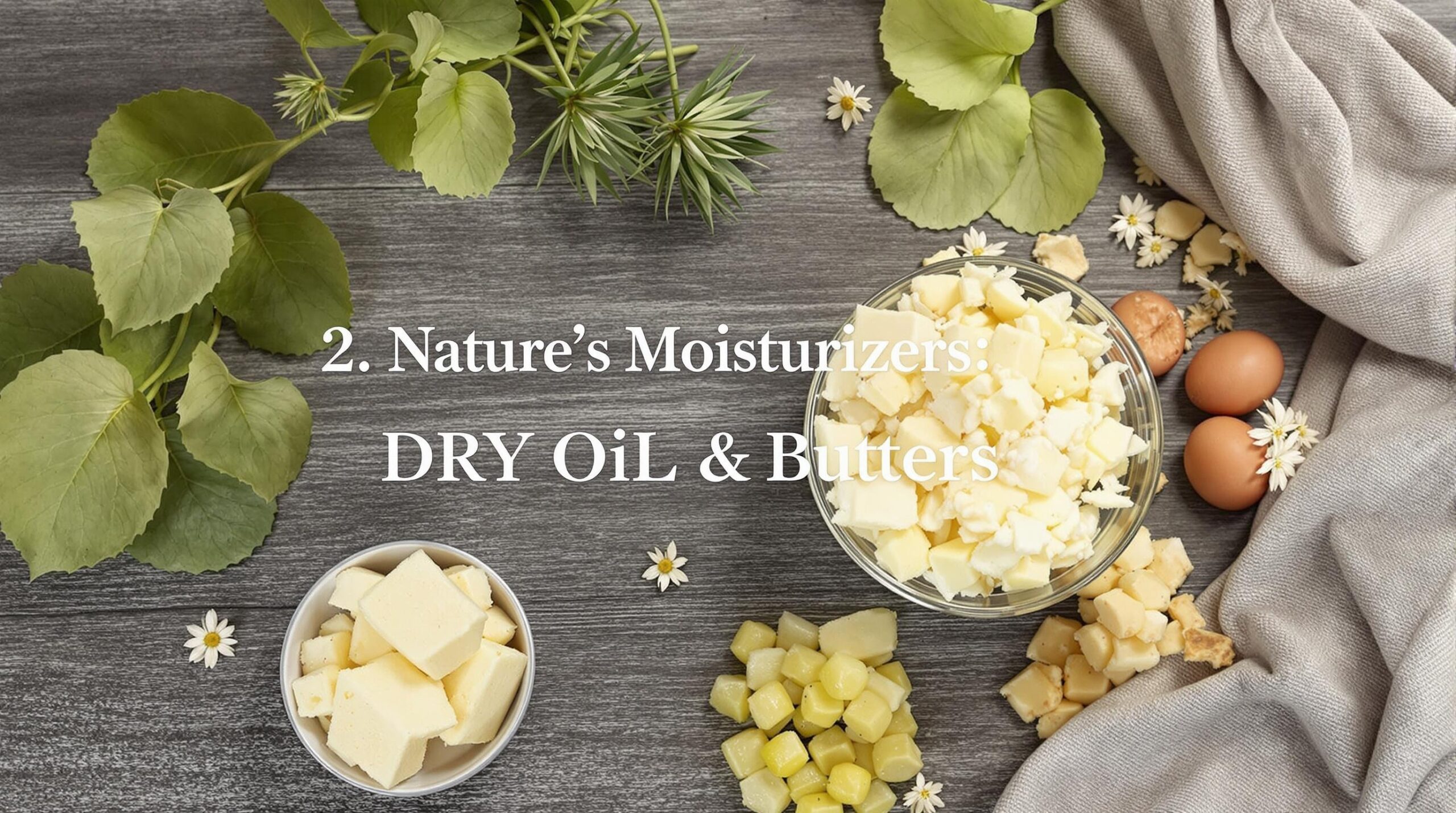
Plant-derived oils and butters offer exceptional relief for dry skin, closely mimicking the skin’s natural sebum. These botanical ingredients not only provide moisture but often contain additional nutrients and antioxidants that benefit skin health.
Jojoba oil stands out as one of the best oils for dry skin because its molecular structure closely resembles human sebum. This similarity allows it to absorb easily without leaving a greasy residue. Jojoba oil helps regulate the skin’s oil production while providing deep hydration, making it suitable even for those with combination skin who experience dry patches.
Squalane, often derived from olives or sugarcane, is another exceptional moisturizing ingredient. Our bodies naturally produce squalene (note the different spelling), but production decreases with age. Topical squalane helps restore this natural component, providing lightweight yet effective hydration. Its molecular structure allows it to penetrate deeply into the skin without clogging pores.
Shea butter, extracted from the nuts of the shea tree, delivers rich emollient properties that soften and smooth dry skin. It contains high concentrations of fatty acids and vitamins that nourish and condition the skin. Shea butter creates a protective barrier that seals in moisture while allowing the skin to breathe.
Other beneficial plant oils include argan oil, rich in vitamin E and fatty acids; rosehip oil, packed with vitamins A and C for skin regeneration; and marula oil, which provides intense hydration without heaviness. These oils can be used alone or found in cream and lotion formulations for dry skin.
Gentle Exfoliators: Removing Dry Skin Buildup
While it might seem counterintuitive, gentle exfoliation is essential for treating dry skin. The buildup of dead skin cells can prevent moisture absorption, making even the best hydrating ingredients less effective. The key is choosing the right type of exfoliators that remove buildup without further irritating dry skin.
Alpha-hydroxy acids (AHAs) like glycolic and lactic acid offer chemical exfoliation that dissolves the bonds between dead skin cells. Lactic acid is particularly beneficial for dry skin as it exfoliates while simultaneously boosting hydration levels. For very sensitive or extremely dry skin, look for products with low concentrations (5-10%) and use them less frequently to avoid irritation.
Polyhydroxy acids (PHAs) like gluconolactone and lactobionic acid provide gentler exfoliation with added hydrating properties. These larger molecules don’t penetrate as deeply as AHAs, making them ideal for sensitive and dry skin types. PHAs also have humectant properties, drawing moisture into the skin while exfoliating.
Physical exfoliants can be helpful for dry skin when used correctly. Instead of harsh scrubs, look for products containing fine particles or natural exfoliants like rice powder. Enzyme exfoliators derived from fruits like papaya (papain) and pineapple (bromelain) offer another gentle option that dissolves dead cells without mechanical scrubbing.
Remember that over-exfoliation can worsen dry skin by damaging the moisture barrier. Limit exfoliation to 1-2 times weekly for dry skin, always following with rich moisturizers to replenish and protect the newly revealed skin cells.
Soothing Anti-Inflammatories: Calming Irritated Dry Skin
Dry skin often becomes irritated, itchy, and inflamed. Incorporating anti-inflammatory ingredients can provide relief while supporting the skin’s healing process. These calming components reduce redness and discomfort associated with severely dry skin.
Oatmeal (colloidal oatmeal) has been used for centuries to soothe irritated skin. It contains compounds that reduce inflammation while creating a protective barrier on the skin’s surface. Oatmeal also has moisture-binding properties that help hydrate dry skin. Look for products where colloidal oatmeal is listed among the active ingredients for maximum benefit.
Aloe vera offers both soothing and hydrating benefits. The gel contains compounds that reduce inflammation and provide immediate relief to irritated skin. Beyond its calming effects, aloe vera contains mucopolysaccharides that help bind moisture to the skin.
Centella asiatica (also known as Gotu Kola or “cica”) has gained popularity for its remarkable skin-soothing abilities. This herb contains madecassoside and asiaticoside, compounds that reduce inflammation while strengthening the skin barrier. Products featuring centella are particularly effective for sensitive dry skin prone to redness.
Other beneficial anti-inflammatory ingredients include green tea extract, which provides antioxidant protection while calming irritation; chamomile extract, known for its gentle soothing properties; and licorice root extract, which reduces redness and brightens the skin tone.
Occlusive Agents: Sealing in Moisture
Occlusives create a physical barrier on the skin’s surface to prevent water loss. These ingredients are particularly important for extremely dry skin or when environmental conditions (like low humidity or harsh winds) contribute to moisture loss.
Petrolatum (petroleum jelly) is perhaps the most effective occlusive, reducing transepidermal water loss by up to 98%. While some avoid petroleum-based products for environmental or personal reasons, it remains one of the most protective barriers for severely dry, cracked skin. A thin layer applied over moisturizer can dramatically improve skin hydration.
Dimethicone and other silicones provide occlusive benefits with a lighter feel than petroleum. These ingredients create a breathable barrier that prevents moisture loss while protecting the skin from environmental irritants. Silicones also give products their smooth, silky application and can help fill in rough patches temporarily, making skin appear smoother.
Beeswax and carnauba wax offer natural occlusive properties that are particularly beneficial in balms and salves for very dry skin. These waxes form a protective shield over the skin’s surface while allowing some breathability. Products containing these natural waxes are often preferred for their eco-friendly profiles.
For maximum benefit, apply occlusive agents after humectants and emollients. This layering approach ensures moisture is first drawn into the skin, then sealed in for lasting hydration. This technique, sometimes called “skin slugging,” has gained popularity for treating extremely dry skin, especially during winter months or in dry climates.
Vitamins and Antioxidants: Nourishing Dry Skin
Vitamins and antioxidants provide essential nourishment that helps dry skin recover and maintain healthier function. These nutritive ingredients support the skin’s repair mechanisms while protecting against environmental damage that can worsen dryness.
Vitamin E (tocopherol) is both an antioxidant and an emollient, making it doubly beneficial for dry skin. It helps protect skin cells from oxidative damage while softening rough, dry patches. Vitamin E also promotes faster healing of the skin barrier, which is often compromised in dry skin conditions.
Vitamin B3 (niacinamide) boosts ceramide production, helping strengthen the skin’s moisture barrier. It also reduces inflammation and improves skin elasticity. At concentrations of 2-5%, niacinamide can significantly decrease water loss through the skin while improving its overall appearance and texture.
Vitamin C serves as a powerful antioxidant while playing a crucial role in collagen production. For dry skin, look for less irritating forms like magnesium ascorbyl phosphate or sodium ascorbyl phosphate rather than pure ascorbic acid. These derivatives provide the benefits of vitamin C with less potential for irritation.
Coenzyme Q10 (CoQ10) naturally occurs in our cells but decreases with age. Topical application helps protect skin from oxidative stress while supporting cellular energy production. This can improve skin’s resilience and ability to maintain proper hydration, particularly beneficial for mature dry skin.
Creating an Effective Dry Skin Routine
Addressing dry skin requires a comprehensive approach that goes beyond simply applying moisturizer. An effective routine should include gentle cleansing, strategic layering of products, and consistency in application. Here’s how to build a routine that relieves and prevents dry skin:
For cleansing, opt for hydrating, soap-free cleansers that preserve the skin’s natural oils. Look for products labeled “moisturizing,” “hydrating,” or “for dry skin” that contain ingredients like glycerin or hyaluronic acid. Avoid hot water, which can strip natural oils, and limit washing to once or twice daily. Consider cleansing oils or balms that dissolve impurities without drying the skin.
Apply hydrating products to slightly damp skin to maximize absorption. Start with the thinnest products like toners and essences, followed by serums, then creams or lotions. This layering technique allows for multiple hydrating ingredients to benefit the skin without interference. For extremely dry areas, apply an occlusive as the final step to seal everything in.
Adjust your routine seasonally, using lighter hydrators in humid months and richer products during dry, cold periods. Pay special attention to areas prone to extreme dryness like hands, feet, elbows, and lips. These areas may require targeted intensive treatments like overnight masks or specialized balms.
Consistency is crucial when treating dry skin. Results typically take at least 2-4 weeks to become apparent as the skin’s barrier function improves. Be patient and maintain your routine even after seeing improvement to prevent dryness from returning.
When to Seek Professional Help
While most dry skin responds well to over-the-counter products with the ingredients discussed above, sometimes professional intervention is necessary. Certain signs indicate that your dry skin may require medical attention rather than just cosmetic care.
Consider consulting a dermatologist if your skin remains extremely dry despite consistent use of moisturizing products for several weeks. Deep cracks that bleed, severe flaking or scaling, intense itching that disrupts sleep, or signs of infection like warmth, swelling, or yellowish discharge also warrant professional evaluation. These symptoms may indicate a skin condition beyond ordinary dryness, such as eczema, psoriasis, or ichthyosis.
Sudden onset of severe dryness without apparent cause could signal an underlying health issue like thyroid problems or nutritional deficiencies. Dry skin accompanied by other unexplained symptoms like fatigue, weight changes, or digestive problems should be discussed with a healthcare provider.
A dermatologist can provide prescription-strength treatments containing higher concentrations of ingredients like urea, lactic acid, or prescription retinoids specifically formulated for severe dry skin. They may also identify allergic reactions or sensitivities to ingredients in your current products that could be exacerbating dryness rather than relieving it.
Frequently Asked Questions
How quickly will skin-hydrating ingredients show results?
Most hydrating ingredients provide immediate relief from dryness, but complete barrier repair takes 2-4 weeks of consistent use. Humectants like hyaluronic acid offer instant hydration, while ceramides and fatty acids need time to rebuild the skin barrier.
Can I use oils if I have acne-prone but dry skin?
Yes, but choose non-comedogenic oils like squalane, jojoba, or rosehip oil. These mimic the skin’s natural sebum without clogging pores. Apply sparingly to dry areas and monitor your skin’s response.
What ingredient concentration should I look for in dry skin products?
For optimal results, look for products where beneficial ingredients appear in the first five to ten items on the ingredient list. Ceramides are effective even at lower concentrations (1-5%), while glycerin works best at 5-10% concentration.
Should I avoid fragranced products for dry skin?
Generally yes. Fragrances (both natural and synthetic) can irritate sensitive dry skin and potentially damage the barrier further. Fragrance-free formulations are typically safer for compromised dry skin.
Can I use retinol if I have dry skin?
Yes, but introduce it gradually. Start with a low concentration (0.25-0.5%) and apply it 1-2 times weekly over moisturizer. Always pair retinol with barrier-supporting ingredients like ceramides and use sunscreen daily, as retinol can initially increase dryness and sensitivity.
 Russian
  English
  Spanish
  French
  Arabic
  Persian