
Retinol, a derivative of Vitamin A, stands at the forefront of anti-aging skincare due to its scientifically proven ability to accelerate cell turnover and stimulate collagen production in the skin. Its molecular structure allows it to penetrate deep into the dermis where it effectively combats multiple signs of aging including fine lines, wrinkles, uneven skin tone, and textural irregularities.
Key Takeaways
- Retinol increases cell turnover, reducing visible aging signs
- It stimulates collagen production, improving skin elasticity
- Lower concentrations (0.25-0.5%) are best for beginners to minimize irritation
- Consistent nighttime application yields optimal anti-aging results
- Combining retinol with sun protection is essential for preventing additional damage
What Is Retinol and How Does It Work?
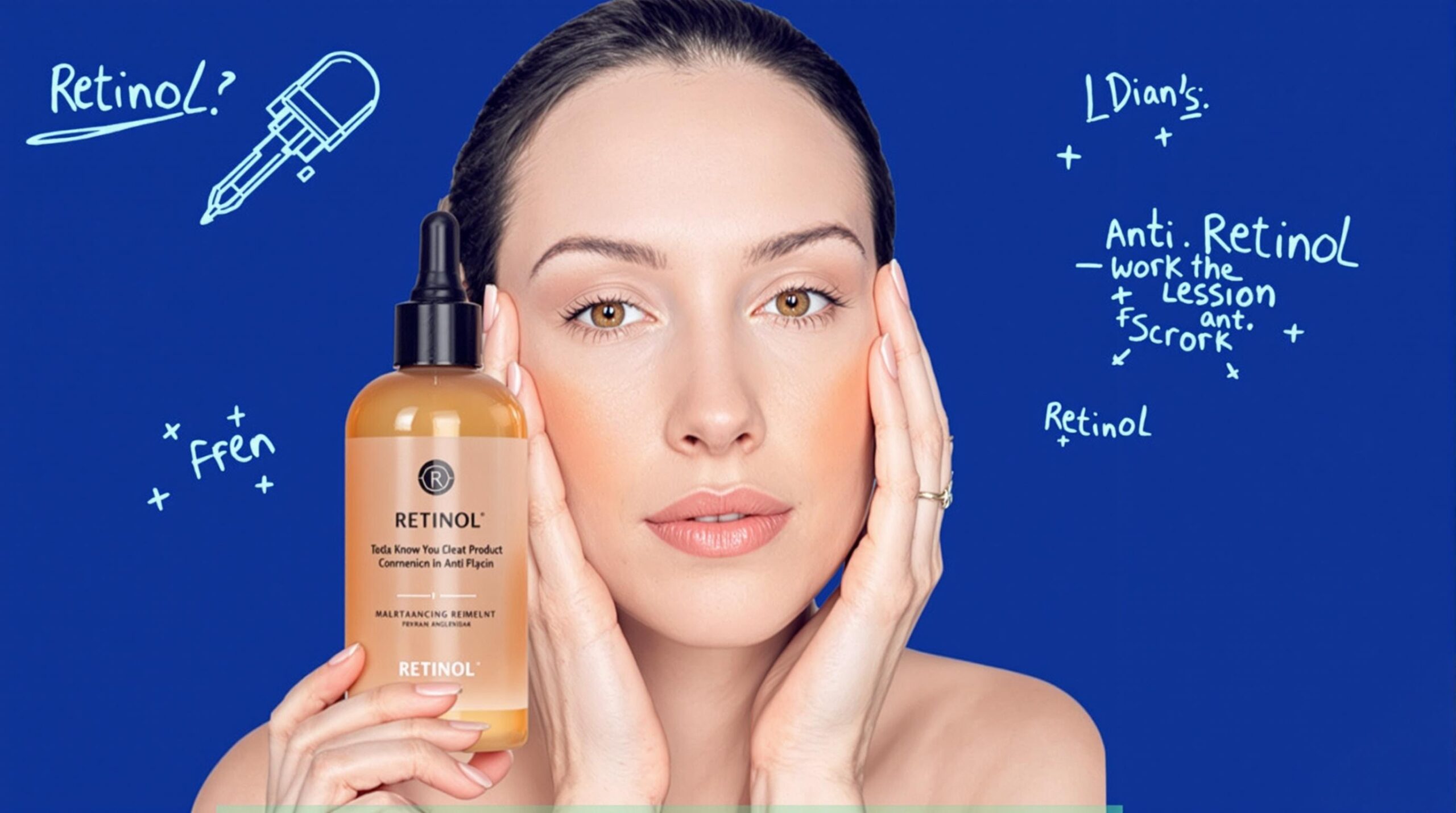
Retinol belongs to a family of compounds called retinoids, which are derivatives of Vitamin A. Unlike prescription retinoids such as tretinoin, retinol is available in over-the-counter skincare products at lower concentrations, making it more accessible for daily anti-aging routines.
At its core, retinol functions by converting to retinoic acid once applied to the skin. This conversion process is what makes retinol slightly less irritating than prescription alternatives, though it also means it works more gradually. After conversion, retinoic acid binds to specific receptors in skin cells, triggering a cascade of beneficial changes.
The primary mechanisms through which retinol fights aging include:
- Accelerating cell turnover by prompting old surface cells to shed more quickly
- Stimulating fibroblasts to produce more collagen and elastin
- Thickening the deeper layer of skin where wrinkles begin to form
- Improving blood flow to the skin for better nutrient delivery
- Reducing the breakdown of existing collagen
These actions combine to create visible improvements in multiple signs of aging. Within weeks of consistent use, skin often appears smoother and more even-toned. After several months, deeper wrinkles may become less pronounced as collagen levels increase and skin structure improves.
The Scientific Evidence Behind Retinol’s Anti-Aging Effects
Retinol isn’t just popular because of marketing—it’s backed by decades of research. Since the 1980s, dermatological studies have consistently demonstrated retinol’s effectiveness for aging skin. A landmark study published in the Journal of Dermatological Science showed that even a 0.1% retinol formulation significantly improved fine wrinkles associated with natural aging after 12 weeks of use.
More recent research has focused on retinol’s molecular actions. A 2019 study in the International Journal of Cosmetic Science demonstrated that retinol upregulates genes responsible for collagen production while downregulating those that break down the skin’s structural matrix. This dual action helps explain why retinol produces such comprehensive improvements.
Clinical trials measuring skin elasticity through specialized equipment have found that participants using retinol products show measurable improvements in:
- Skin firmness, with increased resistance to deformation
- Elastic recovery after stretching
- Dermal thickness as measured by ultrasound
- Reduced appearance of both fine and deeper wrinkles
Perhaps most impressively, histological studies (examining skin samples under a microscope) show that retinol can partially reverse photoaging damage, not just prevent future deterioration. This makes it unique among non-invasive anti-aging interventions.
Selecting the Right Retinol Concentration
The concentration of retinol in a product significantly impacts both its effectiveness and potential for irritation. For those new to retinol, starting with lower concentrations is generally recommended:
- 0.01-0.03%: Ultra-gentle, suitable for very sensitive skin or complete beginners
- 0.25-0.5%: Beginner-friendly yet effective for minor signs of aging
- 0.5-1%: Moderate strength for those with established retinol tolerance
- 1-2%: High-potency formulas for advanced users with significant aging concerns
The effectiveness of retinol isn’t solely determined by percentage—the delivery system matters tremendously. Modern formulations use various technologies to enhance penetration and stability:
Microencapsulation protects the retinol molecule until it reaches deeper skin layers, while time-release formulas gradually deliver the active ingredient to reduce irritation. Some products combine retinol with complementary ingredients like peptides or niacinamide to enhance results while minimizing sensitivity.
When selecting a retinol product, I should consider my skin’s specific needs and prior experience with active ingredients. Those with dry or sensitive skin might benefit from cream-based formulas with added hydrators, while oily skin types often prefer lightweight serums or gels.
Proper Application Techniques for Maximum Benefits

How I apply retinol is just as important as which product I choose. For optimal results with minimal irritation, I should follow these application guidelines:
First, always apply retinol to clean, completely dry skin. Water on the surface can increase penetration and potentially cause irritation. After cleansing, I should wait 15-30 minutes before applying retinol to ensure my skin is fully dry.
Most dermatologists recommend using retinol as part of an evening routine since the ingredient can degrade in sunlight and increase sun sensitivity. A pea-sized amount is sufficient for the entire face—using more won’t accelerate results but will increase irritation risk.
The application sequence matters when incorporating other products:
- Apply retinol after cleansing and toning
- Wait 15-20 minutes to allow the retinol to fully absorb
- Follow with moisturizer to minimize dryness
- Avoid using acids like AHA/BHA in the same routine
For sensitive areas like the eye contour, corners of the nose, and lips, I should either avoid direct application or apply moisturizer to these areas first as a protective buffer. This helps prevent excessive irritation in these delicate regions.
Managing the Retinization Period
Almost everyone experiences some degree of adjustment when starting retinol, commonly called the “retinization period.” This phase typically involves temporary dryness, flaking, redness, or mild irritation as skin adapts to increased cell turnover.
Rather than immediately abandoning retinol at the first sign of irritation, I can implement several strategies to help my skin adjust:
- Start using retinol just 2-3 times weekly, gradually increasing frequency
- Use the “sandwich method”—applying moisturizer before and after retinol
- Temporarily reduce concentration if irritation becomes uncomfortable
- Increase hydration with gentle, non-irritating moisturizers
Most skin types adapt to retinol within 4-6 weeks of consistent use. During this period, I should pay careful attention to my skin’s responses and adjust accordingly. If irritation becomes severe or doesn’t improve, switching to a lower concentration or more buffered formula may be necessary.
It’s important to distinguish between expected adjustment reactions and true allergic responses. Normal retinization includes mild flaking and temporary sensitivity, while allergic reactions involve intense burning, swelling, or widespread rash development.
Combining Retinol with Other Skincare Ingredients
Creating an effective anti-aging routine means understanding which ingredients complement retinol and which may cause problems when used together.
Beneficial combinations include:
- Hyaluronic acid and glycerin: These humectants counteract retinol’s drying effects
- Niacinamide: Reduces retinol-induced irritation while providing additional anti-aging benefits
- Peptides: Work through different pathways to enhance collagen production
- Antioxidants like vitamin C (when used at different times of day): Provide complementary protection
Combinations to approach with caution include:
- Alpha and beta hydroxy acids (AHAs/BHAs): Can increase irritation and reduce retinol’s effectiveness
- Benzoyl peroxide: May degrade retinol molecules, rendering them ineffective
- Multiple retinoid products: Unnecessary and increases irritation risk
- Physical exfoliants: Can overstress skin that’s already undergoing accelerated turnover
The simplest approach is to use hydrating ingredients alongside retinol in evening routines, while reserving ingredients like vitamin C and chemical exfoliants for morning application. This separation minimizes potential interactions while maximizing the benefits of each ingredient.
Special Considerations for Different Skin Types
While retinol offers benefits for virtually all skin types, how I incorporate it should vary based on my specific skin condition and concerns.
For dry or sensitive skin, I should select retinol products with added emollients and soothing ingredients like ceramides or centella asiatica. Cream formulations generally provide better tolerance than gels or liquids. The sandwich method (applying moisturizer before and after retinol) is particularly helpful for this skin type.
Oily and acne-prone skin often tolerates retinol better initially but may still experience dryness. Lightweight serum or gel formulations with additional pore-clearing ingredients like niacinamide or zinc can address both aging and excess oil production. This skin type can often progress to higher concentrations more quickly.
Those with combination skin face unique challenges, as different facial areas may respond differently. Applying a lighter retinol formula to oilier zones and a more moisturizing version to dry areas can help maintain balance.
For skin with hyperpigmentation concerns, retinol works well but should be paired with targeted brighteners like tranexamic acid, alpha arbutin, or vitamin C (used in morning routines). This combination approach accelerates improvement in dark spots while addressing textural issues.
Morning After Care: Protecting Retinol-Treated Skin
Using retinol at night is just half the equation—how I care for my skin the following day significantly impacts both results and comfort. The morning routine should focus on protection and hydration.
Sunscreen becomes absolutely non-negotiable when using retinol, as the increased cell turnover can temporarily heighten sun sensitivity. I should apply a broad-spectrum SPF 30-50 every morning, regardless of weather or planned outdoor time. Physical/mineral sunscreens containing zinc oxide or titanium dioxide often provide gentler protection for retinol-treated skin.
Morning cleansing should be exceptionally gentle, preferably with a non-foaming cleanser that won’t strip natural oils. If flaking is present, resisting the urge to scrub is crucial—physical exfoliation can damage newly revealed skin cells.
Hydration should be emphasized through:
- Humectant serums containing multiple molecular weights of hyaluronic acid
- Barrier-supporting moisturizers with ceramides or fatty acids
- Soothing ingredients like centella asiatica or green tea if redness is present
If skin feels particularly sensitive or appears inflamed in the morning, I can take a “recovery day” approach—focusing exclusively on gentle, restorative products and temporarily skipping active ingredients like vitamin C or exfoliating acids.
Realistic Timeline for Visible Results
Managing expectations about when I’ll see results from retinol helps maintain consistency with the regimen. Retinol works gradually, with benefits appearing in a predictable sequence:
Weeks 1-4: During this period, I might notice primarily adjustment effects rather than improvements. Some users experience a temporary worsening of texture as accelerated turnover brings congestion to the surface. Enhanced skin cell shedding can create a subtle glow in some people, while others mainly notice dryness or flaking.
Weeks 4-8: Surface texture typically begins improving noticeably. Fine lines may appear less pronounced, especially with consistent use. The skin often feels smoother to the touch, and pores may appear less congested. This is when many users start experiencing the positive reinforcement that encourages continued use.
Months 3-6: More significant changes become visible, including improvements in tone evenness, a reduction in the depth of fine lines, and enhanced overall radiance. Photodamage like sunspots may begin fading. These improvements result from both surface renewal and deeper changes in dermal structure.
Months 6-12: Long-term structural benefits become apparent, including noticeable firming as collagen production increases. Deeper set wrinkles may show improvement, though they typically won’t disappear entirely. Skin resilience and texture continue enhancing.
For maximum benefits, consistency over years rather than months is key. Long-term studies show that retinol’s collagen-stimulating effects continue with ongoing use, with some of the most dramatic before-and-after results coming from patients who’ve used retinoids for 1-2 years or longer.
Common Myths and Misconceptions About Retinol
Despite retinol’s established efficacy, several persistent myths can discourage people from using it correctly or at all. Clarifying these misunderstandings helps make informed decisions:
Myth: Retinol thins the skin. Reality: While retinol thins the stratum corneum (outermost dead layer), it actually thickens the living epidermis and dermis where it matters for anti-aging. This misconception arises from confusing the beneficial thinning of surface build-up with overall skin thickness.
Myth: You must stop retinol use during summer. Reality: Retinol can be used year-round with proper sun protection. While it does increase photosensitivity, daily application of broad-spectrum sunscreen and standard sun-smart behaviors provide adequate protection.
Myth: Higher percentages always yield better results. Reality: Retinol efficacy follows a bell curve, not a linear progression. For many users, moderate concentrations (0.5-1%) provide optimal results with manageable irritation. Further increases may add more irritation without proportional benefits.
Myth: Retinol and vitamin C cannot be used together. Reality: These ingredients can complement each other but work better at different pH levels. They’re typically separated by applying vitamin C in the morning and retinol at night rather than being fundamentally incompatible.
Myth: Retinol results plateau after a few months. Reality: While the most dramatic visible changes often occur in the first 3-6 months, retinol continues providing benefits with long-term use, especially in terms of collagen production and maintenance.
Special Formulations for Enhanced Efficacy and Tolerance
Modern retinol products go far beyond simple formulations, incorporating sophisticated technologies to enhance results while minimizing irritation. These advanced formulations can make retinol accessible even to those with sensitive skin.
Encapsulated retinol represents a significant innovation, where the active ingredient is wrapped in a protective microscopic shell that dissolves gradually after application. This controlled release reduces surface-level irritation while ensuring penetration to deeper skin layers where anti-aging benefits occur.
Retinol esters like retinyl palmitate, retinyl acetate, and retinyl propionate offer gentler alternatives for extremely sensitive skin. Though they require additional conversion steps in the skin and work more gradually than pure retinol, they can provide similar benefits over longer timeframes with minimal irritation.
Some products now feature retinol alternatives or “retinol-like” ingredients including:
- Bakuchiol: A plant-derived compound showing similar gene expression effects to retinol
- Granactive retinoid: An advanced form that requires fewer conversion steps
- Hydroxypinacolone retinoate: A retinoic acid ester with direct activity and reduced irritation
These alternatives may be especially useful for those who cannot tolerate traditional retinol due to rosacea, eczema, or extreme sensitivity. They provide a gentle entry point into retinoid benefits, though results typically develop more slowly than with conventional retinol.
Expert Tips for Long-Term Retinol Success
To achieve maximum benefits from retinol over months and years, I should implement these expert strategies from dermatologists and skincare professionals:
Seasonal adjustments can optimize both comfort and results. During winter months when skin tends to be drier, increasing moisturization while maintaining retinol concentration helps maintain progress. In summer, doubling down on sun protection while potentially reducing frequency (not necessarily concentration) can manage increased sun exposure.
Product cycling—alternating retinol with other actives on different nights—can help prevent tolerance plateaus. For example, using retinol three nights weekly, an AHA treatment one night, and focusing on intensive hydration on remaining nights can provide comprehensive skin improvement without overwhelming barrier function.
Targeted application techniques can address specific concerns. For example, using a higher concentration retinol product as a spot treatment on deeper wrinkles while maintaining a lower concentration for all-over use. This approach maximizes results where needed most while minimizing overall irritation risk.
Taking occasional strategic breaks from retinol can actually enhance long-term results. A week-long “skin reset” focusing exclusively on hydration and barrier repair every few months can improve overall tolerance and prevent the diminished response that can occur with continuous application.
Finally, documentation through consistent photos in similar lighting conditions provides objective evidence of improvements that might be too gradual to notice day-to-day. This visual record often provides motivation during periods when progress seems to slow.
FAQ About Retinol in Anti-Aging Products
Can I use retinol if I have sensitive skin?
Yes, those with sensitive skin can use retinol by starting with very low concentrations (0.01-0.025%), applying it once or twice weekly, and using the sandwich method (moisturizer before and after retinol). Retinol esters or encapsulated formulations are also gentler options for sensitive skin types.
Is prescription tretinoin better than over-the-counter retinol?
Prescription tretinoin works more quickly and effectively than over-the-counter retinol because it’s already in the active retinoic acid form. However, it also causes more significant irritation. For many people, the gradual results and better tolerance of retinol make it a preferable long-term option.
How long should I use retinol before deciding if it works for me?
Give retinol at least 12 weeks of consistent use before evaluating its effectiveness. The retinization period (initial irritation phase) can last 4-6 weeks, and the earliest visible benefits typically appear around the 8-12 week mark. The most significant improvements often require 6+ months of regular use.
Can I use retinol while pregnant or breastfeeding?
Most dermatologists recommend avoiding retinol and all retinoids during pregnancy and breastfeeding as a precaution, even though topical retinol has limited systemic absorption. Alternative ingredients like peptides, vitamin C, and niacinamide are considered safer choices during this period.
Will retinol make my dark spots worse before they get better?
Sometimes retinol can temporarily darken hyperpigmentation as it brings pigment cells closer to the surface during accelerated cell turnover. This effect is usually short-lived, and with continued use, retinol helps fade dark spots by dispersing melanin and promoting the shedding of pigmented cells.

 Russian
  English
  Spanish
  French
  Arabic
  Persian